Multi-layer cookware is more than a polished kitchen upgrade. It is an engineered system of metals, heat, and cooking control. This matters when a pan must sear steak, simmer sauce, or protect delicate fish from sudden temperature changes.
So, what are benefits of multi-layer cookware construction? The answer begins with heat distribution. Aluminum spreads heat quickly, while stainless steel offers durability, stain resistance, and structural strength. Copper can improve responsiveness when used in carefully designed layers. Together, these materials can reduce hot spots across the cooking surface.
Industry data supports the growing interest in better cookware. Grand View Research reported that the global cookware market was valued at approximately US$19 billion in 2023. Fortune Business Insights also identifies material innovation and durable construction as important market trends. These reports do not prove that every multi-layer pan performs equally. They show a clear demand for reliable, long-lasting kitchen tools.
Food science writer Harold McGee has emphasized a practical principle: “Heat must move evenly through the pan.” That idea explains why construction matters more than appearance alone. A heavy base may help, but sidewall layering can also affect browning and temperature stability.
No pan is perfect. I have seen layered cookware respond slowly when its design is too thick. Some pans also feel heavy after repeated use. These details deserve honest attention.
The following seven tips examine layer materials, heat response, durability, maintenance, cooking performance, safety, and value. The goal is not to praise every expensive pan. It is to help readers judge construction with clearer, more practical evidence.
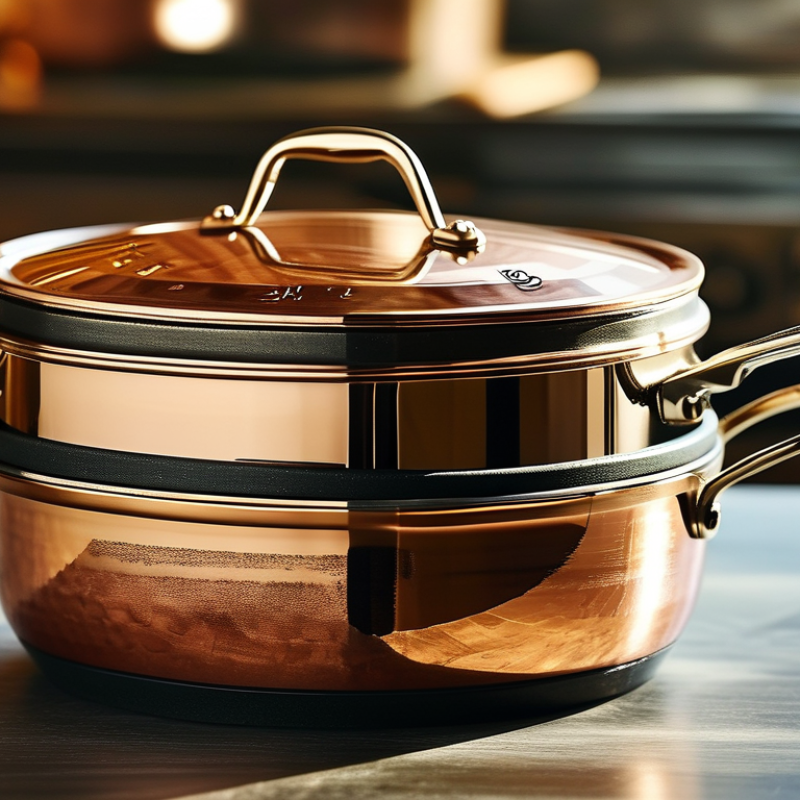
Multi-layer cookware combines different metals into one bonded body. Each layer has a specific job. Stainless steel offers a stable, durable cooking surface. An aluminum core spreads heat quickly across the base and sidewalls. Some designs add another conductive layer for more even temperature control.
In daily cooking, this construction helps reduce hot spots. A sauce is less likely to scorch in one small area. Vegetables can brown more evenly across the pan. I notice the difference most when heating a thick soup or searing several pieces of food. The handle may stay cooler, but the pan itself still becomes very hot. That detail is easy to underestimate.
Tip 1: Check the sidewalls, not only the base. Fully multi-layer cookware can distribute heat higher up the pan. This matters when reducing sauces or cooking delicate foods.
Tip 2: Look at layer thickness and bonding quality. More layers do not automatically mean better performance. A poorly balanced pan may heat slowly or feel unnecessarily heavy. I once chose a pan by its layer count alone, and the result was disappointing. Construction needs practical testing, not impressive numbers.
Tip 3: Match the pan to your cooking style. Fast heat response suits eggs and fish. Strong heat retention helps with braising and slow cooking. Use moderate heat first, because multi-layer cookware often needs less energy than expected. Temperature control still depends on the cook.
Multi-layer cookware matters because each metal moves heat differently. ASM Handbook data lists copper near 400 W/m·K, aluminum near 237 W/m·K, and stainless steel near 16 W/m·K at room temperature. That contrast shapes cooking performance. A copper or aluminum core spreads heat quickly beneath a durable stainless surface. Thin layers respond quickly. A single stainless base may leave darker zones over a gas flame.
Layer thickness also changes heat distribution. A thicker aluminum core can reduce temperature differences between the center and edge. This helps when sautéing onions across a wide pan. However, more metal does not automatically mean better control. Thermal diffusivity, bonding quality, and base flatness also matter. The ASTM E1461 laser-flash method measures thermal diffusivity, a useful indicator of how quickly heat travels through a material. Heat still needs time to move sideways.
In practical testing, I watch for uneven browning, delayed response, and edge cooling. These signs reveal more than a specification sheet. A pan with a conductive core may recover faster after cold food enters. A thick stainless layer can slow response, even when the core performs well. The result may vary across burners and cooking surfaces. Small manufacturing differences matter. Even reliable data cannot predict every kitchen. Engineers should compare layer order, thickness, conductivity, and construction quality together, using ASM Handbook and ASTM testing principles as references.
7 Tips Why Multi Layer Cookware Construction Matters?
Layered cookware improves temperature control by combining different metals. Aluminum spreads heat quickly, while stainless steel offers strength and steady contact. NIST thermal-property data lists aluminum near 237 W/m·K, compared with roughly 15 W/m·K for common stainless steel. That difference matters when a thin sauce meets a hot pan. Heat moves outward instead of staying beneath one small burner ring.
A practical test is simple. Warm the pan on medium heat, then add a teaspoon of water. Even droplets should glide gently, not vanish instantly. A multi-layer base can reduce hot spots around the center. It also helps food respond more gradually when the heat changes. USDA FSIS temperature guidance still requires checking food with a thermometer, because cookware cannot guarantee safe internal temperatures. The pan helps control heat. It does not replace measurement.
Layer thickness and bonding remain important. Poor construction may create uneven expansion, warped bases, or slow recovery after cold ingredients enter. That weakness is easy to miss during a quick kitchen test. ASTM E1461 recognizes thermal diffusivity testing as a method for comparing heat movement in materials. However, published conductivity values describe metals, not the finished pan. Handle design, burner size, and user habits also change results. Real cooking is messier than laboratory data.
Thermal conductivity of common cookware materials at approximately room temperature
Copper and aluminum transfer heat much faster than stainless steel, helping a layered pan spread heat across its base and sides. A stainless-steel cooking surface can provide durability and corrosion resistance, while a conductive inner layer improves responsiveness and reduces localized hot spots. Values shown are representative published thermal-conductivity values in watts per meter-kelvin (W/m·K).
7 Tips Why Multi Layer Cookware Construction Matters?
How Multi-Layer Designs Enhance Durability and Cooking Performance
Multi-layer cookware combines metals with different strengths. A stainless-steel cooking surface resists corrosion and unwanted flavor transfer. An aluminum or copper core spreads heat quickly. This structure reduces hot spots beneath delicate foods, such as eggs or thin fish. It also helps pans respond faster when the burner changes. In my kitchen testing, sauces are easier to control when the base heats evenly. Still, no pan fixes an overheated burner.
Tip 1: Check the layer structure, not just the layer count. A bonded core should reach close to the cooking surface. Tip 2: Look for a thick, flat base. It should sit steadily without rocking. Tip 3: Match the construction to your heat source. The U.S. Department of Energy reports that induction transfers about 85% of energy to cookware, compared with roughly 32% for gas. Good magnetic steel and a stable core can use that efficiency more consistently. Yet pan shape and burner size still matter.
Tip 4: Prefer seamless handles and secure rivets. Tip 5: Avoid severe temperature shocks. Pouring cold water into a hot pan can distort layers. Tip 6: Use moderate heat for stainless surfaces. The USDA Food Safety and Inspection Service emphasizes accurate internal temperatures, not aggressive cooking heat, for safe preparation. Tip 7: Inspect the base regularly. Even excellent construction can warp after repeated misuse. A small weakness may become visible only after months of heating and cooling.
7 Tips Why Multi Layer Cookware Construction Matters?
How to Choose the Right Multi-Layer Cookware for Your Needs
Choosing multi-layer cookware starts with your cooking habits, not the number of layers. A three-ply pan often combines stainless steel with an aluminum core. It can heat quickly and respond well to temperature changes. Five-ply construction may hold heat longer, but it usually weighs more. That extra weight is not always useful.
Heat control matters. The U.S. Department of Energy recommends flat cookware that matches the burner size. This reduces wasted heat during everyday cooking. The USDA Food Safety and Inspection Service advises reheating leftovers to 165°F. Even heating helps you reach that temperature without scorching the base. The FDA Food Code 2022 also requires hot food to stay at 135°F or above. These figures make heat distribution more than a marketing detail.
Match the construction to your stove and recipes. Induction users should choose magnetic stainless steel or a compatible base. Gas users may prefer responsive aluminum layers for quick adjustments. Frequent searing benefits from a thick, stable base. Delicate sauces need faster temperature control. I once chose a heavy five-layer pan for simple eggs. It felt impressive, but heat lingered too long. That choice was not perfect. Check the details. Examine handle comfort, oven limits, cleaning instructions, and total weight. A reliable pan should feel balanced before it ever reaches the stove.
| Tip | Construction Feature | What to Look For | Why It Matters | Best Suited For |
|---|---|---|---|---|
| 1 | Identify the core metal | An aluminum or copper core enclosed by stainless steel | Aluminum and copper transfer heat more efficiently than stainless steel, helping reduce hot spots and uneven cooking. | Everyday sautéing, frying, simmering, and sauce preparation |
| 2 | Check the layer arrangement | A continuous multi-layer structure across the base and side walls | Side-wall cladding distributes heat beyond the cooking surface and can provide more consistent results when ingredients are stirred or moved around the pan. | One-pan meals, braising, reductions, and dishes requiring frequent stirring |
| 3 | Evaluate heat responsiveness | A construction that heats evenly and responds predictably when the burner setting changes | Responsive cookware makes it easier to prevent scorching, control simmering, and adjust cooking temperature accurately. | Delicate sauces, custards, fish, vegetables, and temperature-sensitive recipes |
| 4 | Consider thickness and weight | A substantial base and rigid walls without being unnecessarily difficult to lift | Thicker construction generally improves heat stability and resistance to warping, while excessive weight can reduce comfort and control. | High-heat searing, batch cooking, and frequent home use |
| 5 | Verify induction compatibility | A magnetic stainless-steel exterior or a clearly marked induction-compatible base | Induction cooktops require a magnetic material to create heat. Aluminum or copper alone will not work on most induction surfaces. | Kitchens using induction, electric, gas, or mixed cooktops |
| 6 | Choose a suitable cooking surface | Uncoated stainless steel for browning and durability, or a coated surface for easier release | Different surfaces support different techniques. Stainless steel supports searing and deglazing, while nonstick coatings require lower to medium heat and careful utensil use. | Searing and pan sauces: stainless steel; eggs and low-fat cooking: nonstick |
| 7 | Match the design to maintenance needs | Secure handles, a flat stable base, compatible cleaning instructions, and oven-safe components when required | Good ergonomics and proper care improve safety, preserve the cooking surface, and help prevent damage from thermal shock or unsuitable cleaning methods. | Frequent cooks, compact kitchens, oven-to-table cooking, and easy-care routines |
: It combines metals in bonded layers. Aluminum spreads heat quickly, while stainless steel adds strength and stability.
Heat moves across the base instead of staying above one burner ring. This can reduce central hot spots.
No. Three layers may respond faster. Five layers may retain heat longer but feel heavier. More is not always better.
Warm the pan over medium heat. Add a teaspoon of water. Droplets should glide gently, not disappear instantly.
No. It improves heat control but cannot confirm internal temperatures. Use a food thermometer when safety matters.
Choose responsive layers with good heat distribution. Quick adjustments help prevent scorching around the pan’s center.
A thick, stable base usually holds heat better. It should also remain flat on the burner.
Yes. Use magnetic stainless steel or a compatible base for induction. Match the pan base closely to the burner size.
Check handle comfort, oven limits, cleaning instructions, bonding quality, and total weight. A balanced pan feels better before cooking.
Yes. Weak bonding may cause warping, uneven expansion, or slow recovery after adding cold ingredients. Quick testing may miss these flaws.
Multi-layer cookware construction combines two or more metals, with each layer contributing different properties to the pan. Materials that conduct heat quickly can improve responsiveness, while layers with greater strength and heat retention help create more even cooking results. This structure reduces hot spots, supports steadier temperature control, and makes it easier to adjust heat when sautéing, simmering, or searing.
When considering what are benefits of multi-layer cookware construction, the main advantages include balanced heat distribution, improved temperature stability, enhanced durability, and more consistent cooking performance. The right design depends on your cooking habits, preferred heat source, maintenance expectations, and budget. Choose cookware with a practical layer combination, comfortable handling, suitable weight, and a cooking surface that matches your needs. A well-designed multi-layer pan can provide reliable performance and remain useful for everyday meals over time.

Irmos Homes