What Temperature is Best for Cooking with Stainless Steel?

Time:2026-05-31 Author:Mason
0%

Cooking with stainless steel can be a rewarding experience, but it requires understanding the ideal temperature. Many cooks wonder, "what temperature is best for stainless steel cooking?" The answer may vary based on different techniques and foods. Getting it right can lead to perfectly seared meats and evenly cooked vegetables.

When you heat stainless steel cookware, it reacts in surprising ways. At the right temperature, food releases naturally, preventing sticking. However, too high a temperature can lead to burnt flavors and charred surfaces. For instance, preheating your skillet on medium heat allows for optimal browning without burning your food.

Experimentation is key in mastering the temperatures. You may need a few tries to discover your comfort zone. Not every situation will yield perfect results, and that's okay. Adjusting your methods based on outcomes can enhance your cooking skills. Understanding what temperature works best for stainless steel will elevate your culinary game.
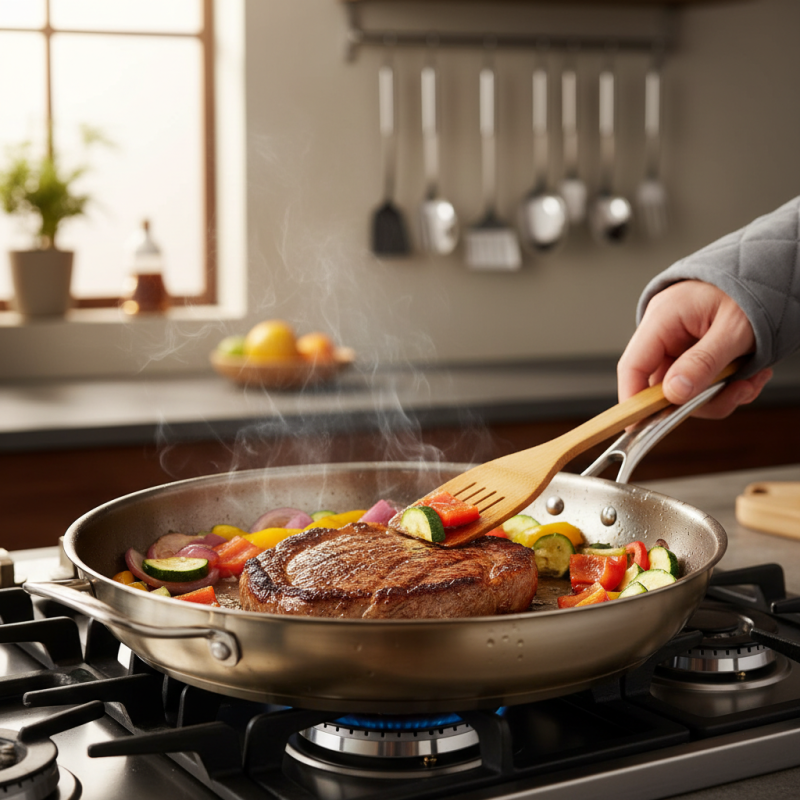
What Temperature is Best for Cooking with Stainless Steel?

Understanding Stainless Steel Cookware Properties

Stainless steel cookware is popular for many cooking enthusiasts. Understanding its properties can enhance your culinary experience. Stainless steel is known for its durability and resistance to rust. It conducts heat evenly but requires attention to temperature settings.

Cooking with stainless steel starts at medium heat. High temperatures can lead to food sticking and burning. According to experts, ideal cooking temperatures range from 325°F to 375°F. Using these temperatures helps maintain even cooking. Many professional chefs recommend preheating the pan before adding oil. This method minimizes instances of sticking and allows for better browning.

Another point of reflection is the heat retention of stainless steel. Unlike cast iron, stainless steel cools down quickly. This property can be helpful but requires adaptability. If you are not careful, a sudden change in temperature can lead to uneven cooking. Adjusting heat settings and being mindful of your cookware's responsiveness is essential. Understanding these characteristics can greatly improve your cooking techniques and results.

What Temperature is Best for Cooking with Stainless Steel? - Understanding Stainless Steel Cookware Properties

Cooking Method Recommended Temperature (°F) Best Uses
Searing 400 - 450 Meats, Fish
Sauteing 350 - 400 Vegetables, Poultry
Boiling 212 Pasta, Eggs
Braising 300 - 325 Tough Meats
Oven Roasting 375 - 450 Birds, Root Vegetables

Optimal Temperature Ranges for Different Cooking Methods

Cooking with stainless steel offers great efficiency, but knowing the right temperature is key. For searing meats, aim for high heat—around 400 to 500°F. This temperature creates a beautiful crust, sealing in flavors.

For sautéing vegetables, medium-high heat works well, between 375 to 450°F. This range ensures even cooking without burning.

**Tip:** Always preheat your stainless steel pan. This helps to create a non-stick surface.

When simmering sauces, keep the heat low—around 200 to 225°F. This gentle heat allows flavors to blend without scorching.

**Tip:** Use a splash of water or oil to test if the pan is ready. It should sizzle and dance.

Choosing the right temperature can change the outcome of your meals. Too high can result in burnt edges, while too low makes for soggy dishes. Cooking with stainless steel demands attention to detail and practice.

Tips for Preheating Stainless Steel Pans Properly

Preheating stainless steel pans is critical for achieving optimal cooking results. Industry experts recommend preheating pans for about 2-3 minutes on medium heat to ensure even cooking. Stainless steel retains heat exceptionally well, making it essential to get it right. Missteps in preheating can lead to food sticking or uneven browning, which can be frustrating for both novice and experienced cooks.

A simple water droplet test can help determine if the pan is ready. When a few drops of water dance and evaporate almost instantly, the pan is hot enough. This technique is backed by professional chefs and cooking science experts. They emphasize that the right temperature can enhance flavor and texture. Overheating, on the other hand, can lead to warping or discolored surfaces.

Many cooks struggle with temperature control. Even minor variations in heat can significantly affect cooking outcomes. For instance, cooking protein at too low a temperature can cause it to steam rather than sear. Failing to properly preheat might result in tough meats or unevenly cooked vegetables. By refining the preheating process, one can unlock a new level of cooking mastery.

Ideal Cooking Temperatures for Stainless Steel Pans

Signs of Overheating and Food Sticking Issues

When cooking with stainless steel, overheating can be a significant problem. Signs of overheating include food that sticks to the surface. This not only frustrates home cooks but also affects the flavor and appearance of dishes. According to a study from the Journal of Food Science, temperatures above 500°F (260°C) can compromise the non-stick properties of stainless steel. When cooking proteins, scientists recommend keeping the temperature below this threshold to avoid sticking.

A common issue arises when cooks fail to preheat the pan adequately. It is essential to allow the stainless steel to warm up before adding oil or food. A simple test involves flicking water onto the surface. If it dances and evaporates, the pan is ready. However, be cautious. Overheating can cause the food to burn quickly.

Tips for successful cooking include adjusting heat based on the food type. For delicate items like eggs, medium to low heat is often best. Adding oil to a preheated pan can establish a barrier, reducing sticking. Remember, even experienced chefs sometimes face challenges with stainless steel. Adjusting your temperature and technique can lead to better results.

Best Practices for Cooking Techniques with Stainless Steel

Cooking with stainless steel offers numerous advantages, but it also requires understanding best practices to maximize its potential. Stainless steel is known for its durability and excellent heat conduction. However, reaching the optimal temperature is essential for effective cooking. A study by the Culinary Institute of America revealed that a preheated pan needs to reach at least 350°F for proper browning and searing. Underestimating this can lead to food sticking, resulting in frustration.

To maintain the integrity of stainless steel cookware, consider the type of food being cooked. For delicate items like fish, lower temperatures around 325°F are more suitable. The goal is to create a perfect sear without damaging the food or the cookware. The right oils also matter; those with higher smoke points are preferable. Avocado oil, for instance, can withstand higher temperatures without burning.

It’s worth noting that while stainless steel provides even heat distribution, it can sometimes create hot spots. This can lead to uneven cooking. Regularly adjusting the heat and keeping an eye on the cooking process is crucial. With some trial and error, cooks can learn to adapt and refine their techniques for better results. Cooking with stainless steel can be rewarding when done thoughtfully.

FAQS

: What is the primary benefit of using stainless steel cookware?

: Stainless steel cookware is durable and rust-resistant. It provides consistent cooking when managed properly.

How do I avoid food sticking to stainless steel surfaces?

Preheat the pan and use medium heat. Adding oil after preheating helps create a barrier.

What temperature range is ideal for cooking with stainless steel?

The optimal cooking temperatures are between 325°F and 375°F. Higher heat can lead to sticking.

How can I tell if my stainless steel pan is preheated?

Flick water onto the surface. If it dances and evaporates, the pan is ready.

What should I do if food starts to stick while cooking?

Check the heat settings. Adjust to medium or lower heat as needed.

Why does stainless steel cool down quickly during cooking?

Stainless steel lacks heat retention compared to materials like cast iron. Adjust your cooking strategy accordingly.

Can overheating my stainless steel cookware affect my food?

Yes, overheating can lead to food burning and sticking. Temperatures above 500°F are particularly problematic.

What common mistake do cooks make with stainless steel pans?

Many forget to preheat adequately, causing food to stick. This can ultimately affect cooking results.

Should I always use high heat with stainless steel cookware?

No, high heat is not always necessary. Medium heat is often more effective, especially for delicate foods.

What is the best way to improve cooking results with stainless steel?

Understand the material's properties and adjust your cooking techniques accordingly. Reflecting on your practices helps.

Conclusion

When it comes to determining what temperature is best for stainless steel cooking, understanding the properties of stainless steel cookware is essential. Stainless steel conducts heat well, but it can be prone to sticking if not properly preheated. Optimal temperature ranges vary depending on the cooking method; for sautéing, temperatures between 350°F to 400°F are ideal, while searing meats can require temperatures above 500°F.

To ensure that you achieve the best results, it's crucial to preheat your stainless steel pans adequately before adding food. Signs of overheating include discoloration and smoke, which can lead to food sticking and a burnt taste. Adopting proper cooking techniques, such as using enough oil and avoiding overcrowding the pan, can enhance your cooking experience and prevent common issues associated with stainless steel cookware. Following these best practices will allow you to cook effectively and enjoy the benefits of stainless steel in your kitchen.

Mason

Mason

Mason is a seasoned marketing professional with a deep expertise in the company's offerings and a passion for driving brand awareness. With a strong background in digital marketing strategies, he has an innate ability to connect with diverse audiences and effectively communicate product benefits.......