Choosing the right cookware is essential for healthy cooking. When selecting cookware, safety should be a top priority. Many people ask, "how to know if cookware is food grade stainless steel?" This question is crucial, as not all stainless steel is created equal.
Food grade stainless steel typically contains at least 18% chromium and 8% nickel. These elements enhance resistance to rust and corrosion. However, some have misconceptions about stainless steel. It may contain lower-quality materials that affect its safety. When shopping, look for the grade markings on the cookware.
Furthermore, consider how the cookware is manufactured. High-quality brands often provide transparency about their materials. You may also want to learn from industry experts or trusted sources. They can offer guidance to distinguish between food-grade and non-food-grade options. Ultimately, understanding these details ensures your cookware supports safe and nutritious meals.
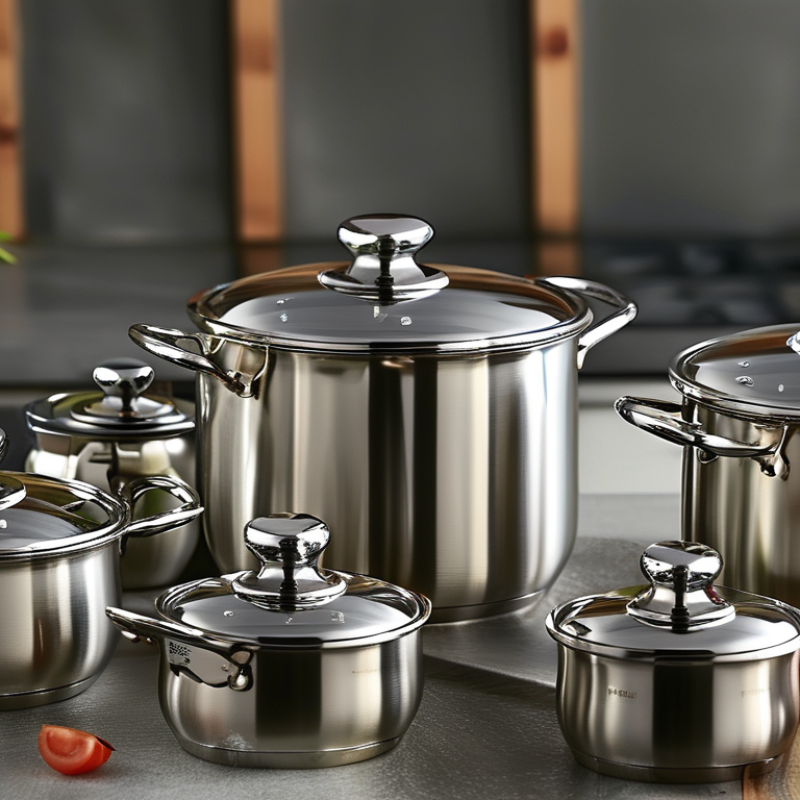
Understanding Food Grade Stainless Steel: What to Look For
When selecting food grade stainless steel cookware, understanding its composition is crucial. Look for 304 or 316 stainless steel. These grades contain nickel and chromium, which enhance durability and corrosion resistance. According to a report by the World Health Organization, using approved stainless steel can limit metal leaching into food. This ensures safety when cooking or storing meals.
Consider the magnetic property too. True food grade stainless steel is non-magnetic. However, certain cookware may be a mix, showing some magnetic qualities. A simple magnet test can help determine its purity. Also, analyze the surface finish; a polished, smooth finish is less likely to harbor bacteria compared to rough surfaces. Research suggests that bacteria thrive on unpolished surfaces, making cleanliness harder to achieve.
You may notice some cookware appears shiny but may not be food grade. Check for NSF certification, an important credential. Products with this certification meet strict safety and health standards. Although many assume all stainless steel is suitable, awareness of these details is necessary. A good understanding enhances your cooking experience while ensuring safety.
The Importance of Grades: 304 vs. 316 Stainless Steel Explained
When choosing food grade stainless steel cookware, understanding the differences between 304 and 316 stainless steel is crucial. Both grades are commonly used in kitchen products, yet they have distinct characteristics that affect their safety and durability. Grade 304 is the most widely used stainless steel, known for its excellent corrosion resistance and ease of fabrication. However, it can be vulnerable to more aggressive environments, particularly with acidic foods.
On the other hand, 316 stainless steel contains molybdenum, which significantly enhances its resistance to corrosion, especially in saline and acidic conditions. This makes 316 ideal for professional kitchens and culinary settings that demand higher durability. According to a report by the International Stainless Steel Forum, 316 stainless steel can withstand exposure to harsh chemicals better than 304. This data supports the notion that selecting the right grade is not just about preference, but about long-term safety and performance.
Choosing between the two grades may also involve considering the cost-effectiveness. Grade 316 is generally priced higher due to its enhanced properties. It's essential to reflect on your specific cooking needs and environment. Not everyone needs the superior resilience of 316, but if your cookware often encounters salt and acid, it might be a worthwhile investment.
Identifying Non-Toxic Coatings and Finishes on Cookware
When choosing stainless steel cookware, it's crucial to examine the coatings and finishes. A key factor in ensuring non-toxic cooking is to identify safe materials. Certain finishes may contain harmful chemicals. Look for cookware that is labeled as PFOA-free or PTFE-free. These coatings can release toxins when heated. Avoid bright, shiny surfaces that seem too good to be true. They might have a layered finish that masks potential hazards.
Consider the tactile feel of the cookware. Non-toxic finishes often have a matte or mildly textured feel. A smooth, polished surface may indicate the presence of harmful additives. Try to avoid cookware with questionable linings. Some non-stick coatings can may scratch easily, leading to metal exposure. Regular inspection after each use can be beneficial. Over time, even high-quality cookware may develop wear.
Remember that good cookware should last for years. If you notice discoloration or peeling, it may be time to reevaluate. Trust your instincts when selecting cookware. If something seems off, it might be worth exploring other options. Cooking should be a safe and enjoyable experience, and ensuring your cookware is toxin-free contributes significantly to that goal. Pay attention to these details for healthier cooking.
Evaluating the Durability and Resistance to Corrosion in Cookware
When evaluating the durability and resistance to corrosion in food-grade stainless steel cookware, it is crucial to understand the material's composition. Generally, high-quality stainless steel contains around 18% chromium and 8% nickel, known as 18/8 stainless steel. This combination significantly enhances corrosion resistance. According to a study published in the Journal of Materials Science, cookware made from this composition demonstrates a lifespan exceeding 20 years under regular use, showcasing its durability.
Another important factor is the resistance to pitting and rusting. A report from the International Journal of Corrosion indicates that stainless steel’s integrity is compromised when exposed to high salt levels or acidic foods. Regular maintenance, such as promptly cleaning cookware after use, can mitigate these risks. It's worth noting that even the most durable cookware may develop surface stains over time. Users should keep this in mind and adjust their cleaning methods accordingly.
Confusion often arises regarding the distinction between various grades of stainless steel. Lower grades may be less expensive but could exhibit a loss in quality. A report by the American Society of Materials shows that lower-grade stainless steel can rust within five years. Increasing awareness of these material properties can lead to more educated purchasing decisions. Ultimately, knowing how to distinguish between these grades supports selecting effective and lasting cookware options.
Recognizing Trusted Certifications and Standards for Food Safety
When selecting food grade stainless steel cookware, recognizing trusted certifications is crucial for ensuring safety.
Look for labels indicating compliance with standards such as ASTM, ISO, and FDA.
These organizations provide guidelines that help manufacturers strive for quality and safety.
According to a report by the International Stainless Steel Forum, about 70% of food-safe cookware meets these regulatory standards,
offering peace of mind to consumers.
One major concern is the presence of harmful substances like nickel and chromium in cookware.
Studies have shown that stainless steel containing 18/10 (18% chromium and 10% nickel) is generally considered safe.
However, variations in production can lead to differences in quality.
This uncertainty highlights the importance of thorough research before making a purchase.
Not all stainless steel is created equal; some products may not adhere to safety standards.
Another aspect to consider is the testing process behind these certifications.
Reputable brands often conduct extensive testing, but not all disclose their results.
Consumers tend to rely on visible certifications, which may not always be indicative of the actual safety of the product.
It raises questions about transparency in the industry.
Understanding these complexities is essential for making informed choices.
Awareness of trusted certifications and their significance is key in navigating the myriad options available.
FAQS
: Look for 304 or 316 grades. They enhance durability and resist corrosion.
Use a magnet. True food grade stainless steel is non-magnetic.
Yes, a smooth finish resists bacteria. Rough surfaces can harbor harmful germs.
It means the cookware meets strict safety and health standards.
Some coatings release toxins when heated. Look for PFOA-free or PTFE-free labels.
Non-toxic finishes often feel matte or textured. Shiny surfaces may contain harmful additives.
Regular inspections are essential. Check for scratches, discoloration, or peeling.
If it discolors or peels, consider replacing it. Trust your instincts.
Assuming all shiny cookware is safe. Examine materials carefully for hidden hazards.
Good cookware should last for years. Evaluate its condition to ensure safety.
Conclusion
When considering how to know if cookware is food grade stainless steel, it's essential to understand the specific grades of stainless steel. The most common types used in kitchenware are 304 and 316 stainless steel, which are known for their durability and resistance to corrosion. This knowledge helps in selecting cookware that is not only safe but also long-lasting.
Additionally, it is crucial to identify non-toxic coatings and finishes, as these can affect food safety. Evaluating the overall durability of the cookware in relation to its resistance to rust and corrosion is another key factor. Lastly, recognizing trusted certifications and standards can provide assurance that the cookware meets food safety requirements, ensuring a healthier cooking environment. These considerations collectively guide consumers in choosing high-quality, food-grade stainless steel cookware.

 Irmos Homes