Choosing the right cookware can significantly impact your cooking experience. When considering how to choose the right cookware for healthy cooking, there are many factors to keep in mind. Different materials, such as stainless steel, cast iron, and nonstick, each have unique properties that suit various cooking styles. You want pots and pans that promote even heating and reduce the need for unhealthy fats.
It can feel overwhelming to navigate the multitude of options available. Understanding your cooking habits is essential. If you frequently prepare meals using high heat, for example, cast iron might be ideal. However, if you prefer quick and easy clean-up, nonstick cookware could be more appealing.
However, not all nonstick coatings are safe; some can release harmful chemicals when overheated. Therefore, researching trusted brands is crucial. Always check for safety certifications. Your cookware choices can influence not just your meals, but your health as well. Making informed decisions can lead to a healthier kitchen and a happier you.
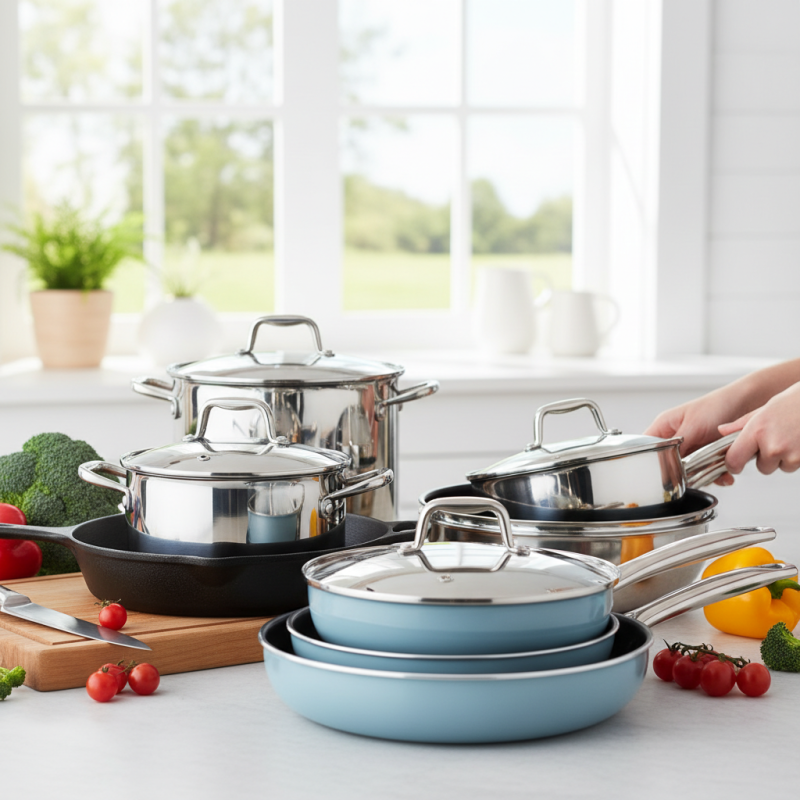
Understanding the cookware we use is vital for healthy cooking.
Research shows that materials like stainless steel and cast iron can promote better nutrition.
These options are free from harmful chemicals that may leach into food. Non-stick cookware often contains polytetrafluoroethylene (PTFE) and perfluorooctanoic acid (PFOA), which raise health concerns.
Studies indicate that cooking with safe materials influences the nutritional value of meals.
A report from the National Institutes of Health suggests that cookware can affect the bioavailability of nutrients.
For instance, iron from cast iron pans can be absorbed into food, benefiting those with iron deficiency. Wooden utensils are also preferable; they do not scratch surfaces and reduce toxins leaching from non-stick coatings.
It’s crucial to assess what your cookware is made of. Many consumers overlook this detail.
Having a clear understanding of cookware types and their effects on health can lead to better decision-making.
Remember, the choices you make in the kitchen can significantly impact your overall well-being.
Prioritize quality cookware for a healthier lifestyle.
Choosing the right cookware is crucial for healthy cooking. The materials used can greatly impact your food's safety and nutritional value. Different types of cookware serve different purposes and come with their own health implications.
Stainless steel is a popular choice. It is durable and resistant to corrosion. However, it may leach nickel and chromium into food, especially when cooking acidic dishes. Leaching is a concern, especially for those with allergies. Consider opting for higher-quality stainless steel if you plan to use it frequently.
Non-stick cookware often attracts attention due to its easy-to-clean nature. Many non-stick surfaces contain polytetrafluoroethylene (PTFE), which can release harmful fumes at high temperatures. Look for options labeled “PFOA-free.” It’s good to handle with care to avoid scratches that can degrade the surface.
Cast iron is another option. It adds iron to your food, but it requires regular seasoning to maintain its quality. Unseasoned cast iron can rust, affecting both taste and health. Your attention to care can prevent this. When selecting cookware, prioritize materials that suit your cooking habits and health goals.
| Cookware Material | Health Implications | Best Use Cases |
|---|---|---|
| Stainless Steel | Non-reactive, safe for all food types, durable. | Sautéing, boiling, and frying. |
| Cast Iron | Great heat retention, may leach iron into food. | Baking, frying, and slow cooking. |
| Nonstick (PTFE) | Easy to clean; beware of overheating and scratching. | Low-fat cooking, scrambling eggs. |
| Ceramic | Non-reactive; some types can crack; check for lead-free certification. | Baking and roasting. |
| Aluminum | Lightweight, can react with acidic foods unless anodized. | High-heat cooking like frying and searing. |
| Glass | Non-reactive, can be used in oven; breakable. | Baking and microwave cooking. |
Choosing the right non-stick cookware is crucial for a healthy kitchen. When evaluating options, consider materials carefully. Some non-stick surfaces, like Teflon, can degrade at high temperatures. Others, such as ceramic or titanium, offer safer alternatives. Always check the heat tolerance of your cookware to ensure its longevity.
Safety is not just about materials. Look for coatings that are free of harmful chemicals. Avoid options with PFOA or PFOS. These substances can leach into food and pose health risks. Take the time to read product labels. They usually contain important information about safety standards.
Performance is equally vital. Non-stick surfaces should provide easy food release and even heat distribution. However, personal experiences can vary. Some users report scratching easily, while others enjoy long-lasting performance. This inconsistency is worth reflecting on when making your choice. Ultimately, invest time in research to find the option that best fits your cooking style.
When selecting cookware, size and shape are vital for healthy cooking. In 2021, a study by the Culinary Institute stated that inappropriate sizes can lead to uneven heat distribution. This can prevent food from cooking evenly, potentially leading to nutritional loss. A smaller pan can cause food to steam instead of sear, while a too-large pot might waste energy.
Different dishes demand varying shapes of cookware. For instance, a wide skillet is excellent for stir-fries, allowing food to spread out for even heat. Conversely, a deep pot is designed for soups, trapping heat effectively. The American Kitchenware Association reported that 65% of home cooks prefer multi-functional pots. These can save space and help with various cooking techniques.
Choosing the wrong size can also lead to waste. Small pots require multiple cooking batches for larger meals. This not only consumes more energy but also time. A well-sized piece of cookware promotes efficiency, while improper choices could frustrate home chefs. Understanding these nuances can enhance your cooking experience and support healthier meal preparation.
Caring for your cookware is essential for maintaining its health benefits. Proper cleaning methods can help avoid harmful residues. A study by the American Journal of Public Health highlights that many non-stick surfaces can degrade over time, leading to toxic elements leaching into food. Using gentle, non-abrasive tools can preserve the integrity of your cookware, prolonging its life.
Temperature control is also key. Cooking at high temperatures can damage certain materials. While some pans can withstand high heat, others may warp or release chemicals. It's noteworthy that research shows cooking with damaged cookware can increase the risk of consuming harmful substances. Regular inspection of your cookware for scratches or wear can safeguard your health.
Considering your cooking habits is vital. Some cookware requires special care, such as seasoning cast iron or avoiding acidic foods in specific materials. For example, stainless steel can tarnish from certain foods. Regular maintenance can prevent such issues. Following manufacturer guidelines enhances usability and keeps cookware effective in supporting healthy cooking practices.
: The type of cookware affects health and nutrition quality of meals. Poor choices can lead to nutrient loss.
Stainless steel and cast iron are great choices. They are safe and do not leach harmful chemicals.
Not all non-stick surfaces are safe. Some can release harmful chemicals when overheated.
Cookware can influence nutrient bioavailability. For example, cooking in cast iron can increase iron absorption.
Check if it’s free from PFOA or PFOS. Heat tolerance is crucial for maintaining non-stick surfaces.
The right size promotes even heat distribution. Misjudged sizes can waste energy and affect food quality.
They prevent scratches on surfaces and minimize toxin leaching. They are safe alternatives in the kitchen.
Multi-functional pots save space and can handle different cooking methods, making them practical for cooks.
Yes, the wrong size can require more cooking batches, consuming extra time and energy.
Yes, taking time to research can lead to better choices and a healthier cooking experience.
Choosing the right cookware is essential for healthy cooking, as the materials used can significantly impact both the safety and nutrition of your meals. In understanding the importance of cookware, one should consider various materials and their health implications, such as the effects of metals, plastics, and ceramics on food. Evaluating non-stick options requires careful attention to safety and performance, as some coatings may pose risks when overheated.
When learning how to choose the right cookware for healthy cooking, consider not only the materials but also the size and shape that best fits different dishes. Proper care and maintenance of your cookware also play a crucial role in preserving its health benefits and longevity. By making informed choices about the cookware you use, you can enhance your cooking experience while promoting better health for you and your family.

Irmos Homes