Top 10 Tips for Cooking Acidic Foods in Stainless Steel Safely

Time:2026-06-13 Author:Oliver
0%

Cooking acidic foods in stainless steel can be a safe and beneficial practice when done correctly. Many chefs prefer stainless steel due to its durability and heat conductivity. A study from the American Culinary Institute states that using stainless steel can enhance the flavor of dishes, especially when cooking with tomatoes, citrus, or vinegar. This is crucial for maximizing taste.

However, understanding how to cook acidic food in stainless steel safely is essential. Acidic ingredients can react with metals, leading to potential health concerns. Reports from the Food Safety Authority indicate that prolonged exposure can cause metal leaching. This creates uncertainty about the safety of cooked meals.

Learning proper techniques is vital. Avoiding high heat and using appropriate cookware can minimize risks. It’s essential to balance safety and culinary excellence to enjoy acidic dishes without worry. The right approach empowers cooks to explore flavors confidently, while remaining mindful of food safety guidelines.
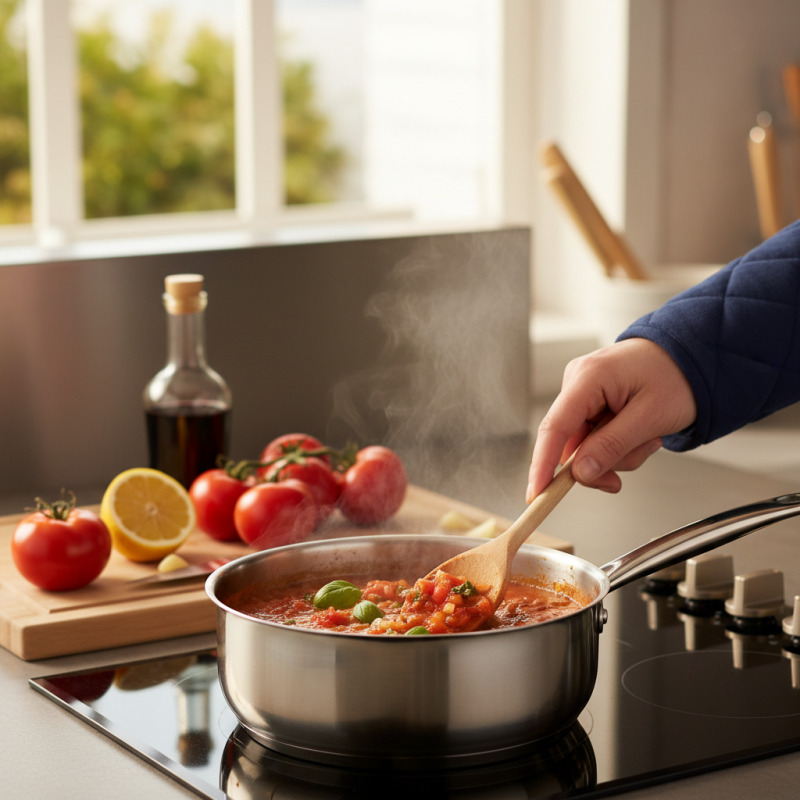
Top 10 Tips for Cooking Acidic Foods in Stainless Steel Safely

Understanding the Interaction Between Acidic Foods and Stainless Steel

Cooking acidic foods in stainless steel can be tricky. Acidic ingredients, like tomatoes and vinegar, can react with stainless steel over time. This interaction may lead to metallic tastes in your dishes. Understanding this can help you make better choices in the kitchen.

To minimize any adverse reactions, consider using well-seasoned stainless steel cookware. Good seasoning can create a protective layer. This layer helps prevent direct contact between the food and metal. Another tip is to avoid prolonged cooking. Don’t let acidic foods simmer for hours. Quick cooking methods can keep flavors intact.

Cleaning your cookware is also important. Use a gentle scrub instead of harsh chemicals. Harsh cleansers can strip away the protective layer, increasing the risk of reaction. Additionally, be cautious when storing leftovers. Avoid using stainless steel containers for long-term storage of acidic foods. These practices can help maintain the quality and taste of your cooking.

Choosing the Right Type of Stainless Steel for Cooking

When cooking acidic foods, the type of stainless steel you use is crucial. Look for cookware labeled as 304 stainless steel. This alloy offers excellent resistance to corrosion and is ideal for acidic ingredients. The high nickel content ensures durability and prevents reactions with food. However, not all stainless steel is created equal. Some lower-grade options may not perform as well, causing potential health risks.

Consider the thickness of your cookware as well. Thicker pots and pans distribute heat evenly, reducing the chances of acidic foods reacting with the metal. A sturdy base helps maintain the integrity of your dish. Be aware that long cooking times might still lead to some leaching, even with high-quality stainless steel. Always monitor your food, adjusting cooking times as needed.

Using acidic ingredients like tomatoes or vinegar can alter the taste and texture of your meal. Experimenting with different stainless steel grades might yield unpredictable results. It’s important to be open to refining your technique and making necessary adjustments. This approach ensures a safer and tastier cooking experience.

Best Practices for Cooking Acidic Foods in Stainless Steel

Cooking acidic foods in stainless steel can be a great choice. However, it's crucial to understand best practices to ensure safety and flavor. Acidic ingredients often include tomatoes, citrus, and vinegar. These foods can react with stainless steel, causing potential leaching of nickel and chromium. According to data from the American Journal of Clinical Nutrition, prolonged exposure can affect the dietary intake of these metals.

When cooking with stainless steel, use heavy-gauge cookware. It minimizes the chances of leaching. Opt for thicker bottoms, as they distribute heat evenly, reducing hot spots. A study from the Journal of Food Science indicates that stainless steel cookware with a higher nickel content tends to be more stable when cooking acidic foods. Cook on medium heat instead of high, as this helps maintain the integrity of the cookware.

Always monitor cooking times. Overcooking can enhance the interaction between food and the surface of stainless steel. If you notice discoloration or alteration in taste, it might be time to reassess your cookware. Remember, not all stainless steel is created equal. Regularly inspect your cookware for scratches or damages, as they can worsen leaching. Understanding these factors is key to enjoying your meals safely. Cooking should be a joyful process, but it requires awareness of your materials.

Cleaning and Maintaining Stainless Steel Cookware after Acidic Use

Cleaning stainless steel cookware after cooking acidic foods requires careful attention. Acidic ingredients, like tomatoes and vinegar, can tarnish the surface if not cleaned properly. Residue can lead to discoloration over time, impacting both appearance and safety. Regular maintenance is essential to preserve the functionality of your cookware.

Use warm, soapy water and a non-abrasive sponge for washing. This method is gentle yet effective. Avoid steel wool, as it can scratch the surface. Rinse thoroughly to eliminate any soap residue. According to the American Cleaning Institute, improper cleaning can lead to lingering tastes or odors, which may affect future cooking.

Drying your cookware immediately after washing is crucial. Water spots can form, causing cosmetic issues. Use a soft cloth to achieve a streak-free shine. Regularly applying a stainless steel cleaner can also enhance the surface. However, always test a small area first. Perceived imperfections in cleaning routines may indicate a need for adjustments in technique or products used. Ensuring proper care extends the life of your cookware, supporting safe and enjoyable cooking experiences.

Common Mistakes to Avoid When Cooking with Acids in Stainless Steel

When cooking with acidic foods in stainless steel, some common mistakes can undermine your efforts. One major pitfall is cooking highly acidic ingredients for too long. Foods like tomatoes and citrus can cause a reaction that may lead to a metallic taste. Keeping cooking times short helps maintain flavor integrity.

Another mistake is not adequately preheating the pan. If the surface is too cold, acids can stick and create a difficult clean-up. It’s beneficial to heat the pan properly before adding your ingredients. Also, using too much oil or fat may not provide the best results. A light coating is often enough.

It's also crucial to avoid using abrasive cleaning tools on stainless steel cookware. These can scratch the surface, creating spots where acids can react more easily. Lastly, neglecting to dry your cookware completely after washing can lead to water stains, impacting the surface's integrity. Noticing these details can improve your cooking experience and results.

Top 10 Tips for Cooking Acidic Foods in Stainless Steel Safely

Tip No. Tip Common Mistake Solution
1 Preheat the Pan Using a cold pan which can lead to sticking. Always heat the pan before adding oils or food.
2 Use Enough Fat Not using enough oil or fat can lead to food sticking. Coat the bottom of the pan generously with oil.
3 Choose the Right Cookware Using low-quality stainless steel. Select high-quality, heavy-bottom stainless steel pots and pans.
4 Avoid High Heat Cooking on high heat can cause warping. Use medium to low heat for acidic foods.
5 Use Non-Reactive Utensils Using metal utensils can scratch the surface. Opt for wooden or silicone utensils.
6 Avoid Cooking for Too Long Overcooking can leach metals into food. Monitor cooking time to prevent overcooking.
7 Rinse After Use Leaving acidic residues can damage the pan. Always wash and thoroughly rinse after cooking.
8 Don't Use Abrasive Cleaners Abrasive pads can scratch the surface. Clean with gentle sponges and non-abrasive detergents.
9 Store Properly Stacking pans without protection can scratch them. Use cloths or paper towels between stacked items.
10 Consider Alternative Cookware Not all stainless steel is ideal for acidic foods. Use ceramic or glass for high-acid foods when necessary.

FAQS

: What type of stainless steel should I use for cooking acidic foods?

: Look for cookware labeled as 304 stainless steel. This type has excellent resistance to corrosion.

How does cookware thickness affect cooking?

Thicker pots distribute heat evenly. They reduce the chances of reacting with acidic foods.

What happens if I cook acidic foods for too long?

Long cooking times can lead to a metallic taste. Keeping times short helps preserve flavor.

How should I clean stainless steel after cooking with acids?

Use warm, soapy water and a non-abrasive sponge. Rinse thoroughly to avoid lingering odors.

Why is drying cookware immediately after washing important?

Water spots can form if cookware isn't dried. Use a soft cloth for a streak-free shine.

Can inferior stainless steel pose health risks?

Yes, lower-grade options may not perform well, causing potential health risks when cooking.

What common mistake do people make when cooking with acidic ingredients?

Not preheating the pan properly can lead to sticking. This makes clean-up difficult and impacts flavor.

How often should I use a stainless steel cleaner?

Regular application enhances the surface. Always test a small area first for best results.

What should I avoid when cleaning stainless steel cookware?

Don't use steel wool or abrasive tools. They can scratch the surface and cause future reactions.

How can I refine my cooking technique with stainless steel?

Be open to experimenting. Adjust times and methods based on your results for better meals.

Conclusion

Cooking with acidic foods in stainless steel requires an understanding of the material's properties to ensure safety and flavor integrity. This article outlines the key considerations, including how to cook acidic food in stainless steel safely. It emphasizes the importance of selecting the right type of stainless steel, such as those high in nickel content, which are more resistant to reactions with acidic ingredients.

Additionally, best practices for cooking include using appropriate heat levels and cookware techniques to minimize acid contact with steel. Proper cleaning and maintenance after cooking acidic foods are essential to prevent damage and maintain the cookware's quality. Lastly, it highlights common mistakes to avoid, ensuring a successful and enjoyable cooking experience with acidic ingredients in stainless steel cookware.

Oliver

Oliver

Oliver is a seasoned marketing professional with a wealth of expertise in driving brand awareness and engagement. With a deep understanding of our company's product offerings, he consistently delivers high-quality content that enriches our professional blog. His insights not only shed light on......