Rust on stainless steel kitchen tools can be a frustrating issue for many home cooks. Understanding how to prevent rust on stainless steel kitchen tools is crucial for maintaining their durability and appearance. Stainless steel is praised for its resistance to corrosion, yet it is not entirely immune.
One effective approach is to clean your tools regularly. Residues from food can lead to rust over time. Ensure that you wash, dry, and store them properly. Another key factor is moisture. Keep your tools dry after washing. Leaving them damp increases the risk of rust forming.
Additionally, consider the environment where you store your kitchen tools. High humidity areas can contribute to rust development. Using a dehumidifier or storing tools in a dry space may help. Learning how to prevent rust on stainless steel kitchen tools requires attention to detail and consistency. Neglecting these practices may lead to disappointment with your beloved kitchen equipment.
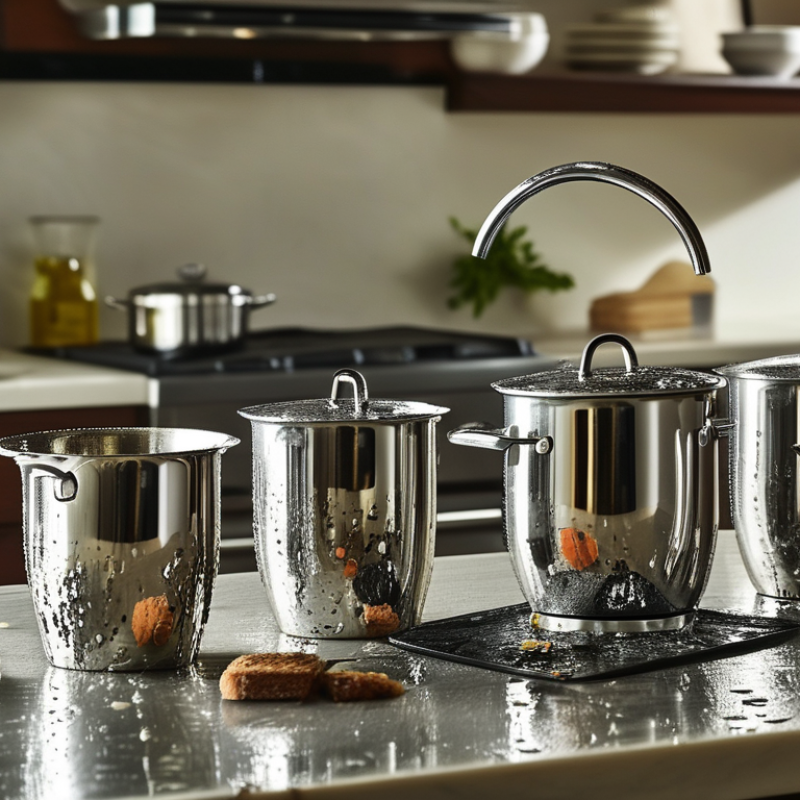
Stainless steel is prized for its durability and resistance to corrosion. However, it is not completely immune to rust. Understanding its corrosion resistance properties is essential for maintaining kitchen tools. Stainless steel is made by adding chromium, which forms a protective layer that prevents rust. In fact, a minimum of 10.5% chromium is required to achieve this corrosion resistance. Without this protective layer, rust can begin to form, especially in moist environments.
Environmental factors play a huge role in the longevity of stainless steel. High humidity and exposure to kitchen acids can weaken the protective layer. Moreover, frequent washing and scrubbing may strip away this layer, leading to potential rust issues. The International Stainless Steel Forum reports that stainless steel corrosion can escalate in chlorinated environments, which are common in many kitchens. Simple precautions, such as drying tools immediately after washing, can enhance their lifespan.
While stainless steel's resistance to corrosion is strong, it’s not infallible. Some users might overlook areas, like joints and seams, where rust may develop. Regular inspection and maintenance can catch early signs of corrosion. This reflection on the upkeep of these tools is vital. By understanding these properties, you can better protect your stainless steel kitchen tools from rust and prolong their usability.
| Tip | Description | Frequency |
|---|---|---|
| Regular Cleaning | Wash and dry tools immediately after use to prevent moisture accumulation. | After each use |
| Avoid Abrasive Cleaners | Use mild detergents instead of harsh chemicals to avoid scratching the surface. | Whenever cleaning |
| Use a Protective Coating | Apply food-safe mineral oil to protect the surface and enhance shine. | Monthly |
| Store Properly | Keep stainless steel tools in a dry place to avoid contact with moisture. | Always |
| Inspect Regularly | Check for signs of rust or discoloration and address them immediately. | Weekly |
: Stainless steel can rust due to moisture and chemicals. Salt and acids weaken its protective layer.
Avoid bleach and harsh chemicals. They can create micro-abrasions that make stainless steel more prone to rust.
Tools should be completely dried with a clean towel. Air drying on a rack is also effective.
Store them in a dry, climate-controlled area. Avoid damp places that promote rust.
No, overcrowding can prevent air circulation. Each tool should have its space for better maintenance.
Regularly check for discoloration or small spots. Addressing them quickly helps prolong tool life.
Remove rust using a vinegar and baking soda mixture. Dry them thoroughly afterward.
After cleaning, apply a thin layer of oil. This creates an additional barrier against moisture.
Yes, high humidity can accelerate rusting. It's important to keep your tools in a low-humidity environment.
Yes, regular maintenance is crucial. It helps in catching rust early and extending the life of your tools.
Stainless steel kitchen tools are prized for their durability and resistance to corrosion; however, they can still rust under certain conditions. To understand how to prevent rust on stainless steel kitchen tools, it's important to recognize the characteristics of stainless steel and the factors that contribute to rust formation. Common causes include exposure to moisture, harsh cleaning products, and improper storage.
Effective cleaning techniques, such as using mild soap and avoiding abrasive materials, play a crucial role in maintaining their finish. Protective coatings can also enhance rust resistance. Additionally, best practices for storage, like keeping tools dry and in well-ventilated areas, help prevent rust buildup. By following these guidelines, you can ensure the longevity and functionality of your stainless steel kitchen tools.

 Irmos Homes