Why is Stainless Steel Superior to Nonstick Cookware?

Time:2026-07-30 Author:Sienna
0%

In the cookware debate, many consumers wonder what makes stainless steel better than nonstick cookware. Renowned chef and kitchen expert, Julia Ziegler, emphasizes, “Stainless steel offers durability and versatility that nonstick simply can’t match.” Her insight highlights a critical distinction in kitchen materials.

Stainless steel is made from a blend of metals, resulting in a solid and long-lasting product. It can withstand high temperatures and will not warp over time. In contrast, nonstick cookware often has a limited lifespan and can easily be scratched, degrading its performance. There are safety concerns with nonstick surfaces, which may release harmful chemicals when heated.

While stainless steel might require more effort to clean, its ability to develop a natural patina enhances its nonstick qualities over time. This feature is often overlooked. Despite its learning curve, many chefs prefer it for its reliability and superior cooking results. As consumers choose their cookware, understanding the true benefits of stainless steel is essential.
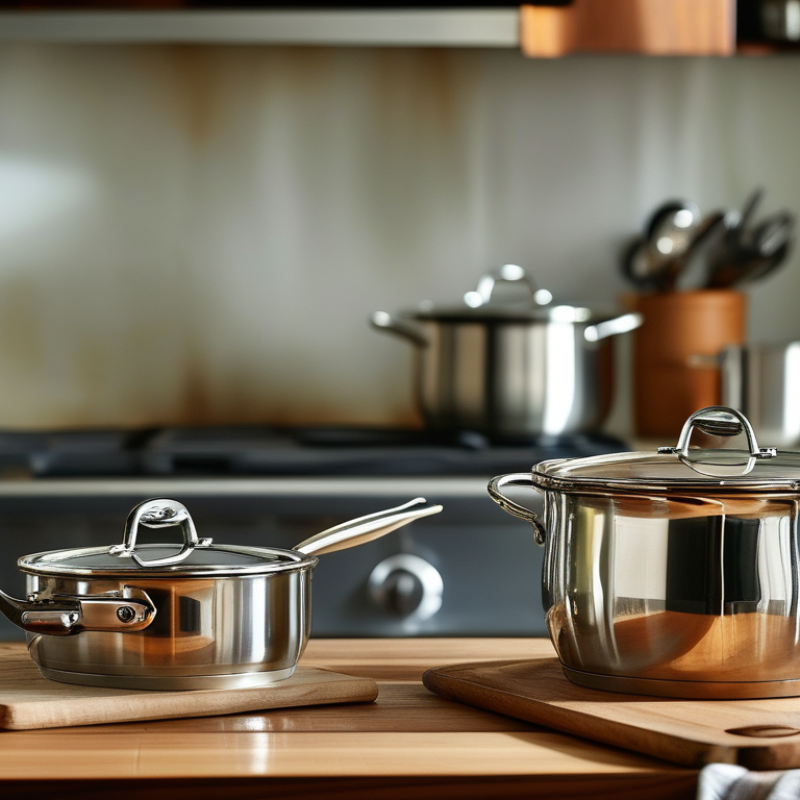
Why is Stainless Steel Superior to Nonstick Cookware?

Advantages of Stainless Steel Cookware Over Nonstick Options

Stainless steel cookware stands out for several reasons. Unlike nonstick options, stainless steel is durable and can withstand high temperatures. This durability ensures that your investment lasts longer, reducing the need for replacements. Additionally, stainless steel does not scratch easily, preserving its aesthetic over time.

One major advantage is that stainless steel cookware does not contain harmful chemicals. Nonstick coatings can release toxic substances when heated. In contrast, stainless steel is safe for cooking at high temperatures. It also offers better heat conduction, allowing for more efficient cooking. As you sauté or sear, you achieve even results that enhance the flavor of your dishes.

Tips: Always preheat your stainless steel pans. This method helps achieve a natural nonstick effect with oil or butter. When cleaning, avoid abrasive sponges. Instead, use a gentle scrub to maintain the shine of your cookware. Lastly, experiment with cooking techniques to maximize your stainless steel’s potential. It might take time to get it right, but the taste and health benefits are worth it.

Why is Stainless Steel Superior to Nonstick Cookware?

Durability and Longevity: A Comparison of Materials

Stainless steel cookware is known for its durability and longevity. Unlike nonstick alternatives, stainless steel can withstand high temperatures. It resists warping and scratching, ensuring it maintains its shape over time. Many cooks appreciate this resilience, allowing them to use metal utensils without fear of damage.

Nonstick cookware typically loses its coat over time. The typical lifespan is much shorter than stainless steel. It may chip or flake, leading to potential health concerns. With stainless steel, there’s no coating to wear away. This means it retains its integrity and doesn't leach chemicals into food.

Moreover, stainless steel can endure the rigors of daily use. It handles oven heat and stovetop cooking equally well. It also performs admirably with recipes requiring browning or deglazing. However, the upkeep and cleaning of stainless steel do require skill and effort. Stains can occur, requiring special cleaning methods to restore shine. Cooking at the right temperature adds a layer of complexity. Care is needed to ensure food doesn’t stick. This is where experience and familiarity with the material play a significant role.

Health Considerations: Safety of Cooking Surfaces

When it comes to cooking surfaces, health considerations are crucial. Many people choose nonstick cookware for its convenience. However, the safety of these coatings has raised concerns. Nonstick surfaces often contain chemicals that can release toxic fumes when heated. This poses risks, especially for vulnerable populations like children and pregnant women.

Stainless steel, on the other hand, offers a safer alternative. It is durable and does not leach harmful substances into food. When properly maintained, stainless steel cookware can last a lifetime. It withstands high temperatures without changing its properties. This means no worrying about potential contamination during cooking.

Yet, even stainless steel has its drawbacks. Improper use may lead to food sticking, which can be frustrating. Cooking at the right temperature and using enough oil can mitigate this issue. It's important to be aware of these factors. Being informed allows for healthier cooking choices.

Versatility in Cooking Techniques: Stainless Steel vs. Nonstick

Stainless steel cookware offers unmatched versatility in cooking techniques. The ability to withstand high temperatures makes it ideal for searing meats, achieving that perfect golden crust. It allows for better heat distribution, ensuring that food cooks evenly. Unlike nonstick surfaces, stainless steel can handle the rigorous demands of high-heat cooking, such as stir-frying and browning.

Using stainless steel also encourages a different cooking approach. You can deglaze the pan after searing, creating rich sauces packed with flavor. This method brings out the natural taste of ingredients, enhancing the dish. However, cooking with stainless steel does require a bit of technique. It may take practice to prevent sticking, especially with certain foods. Learning to manage heat levels and using proper oil amounts are key factors in mastering this cookware.

There is also a sense of craftsmanship involved. Each time you cook with stainless steel, you engage in a more tactile and interactive culinary experience. Nonstick cookware simplifies the process but can limit creativity. As cooks gain confidence and skill, they may find themselves gravitating toward stainless steel for its ability to adapt to various cooking techniques.

Maintenance and Care: Keeping Cookware in Optimal Condition

Maintaining stainless steel cookware is crucial for its longevity. Unlike nonstick options, stainless steel can handle high heat without degrading. This resilience allows it to retain its appearance and performance over time. Regular cleaning is essential. Avoid abrasive scrubbers that can damage the surface.

Proper care includes routine seasoning. Though stainless steel may not require it, sometimes a thin layer of oil helps with food release. Additionally, soaking tough stains can save effort but watch the time. Leaving it too long can cause spotting or discoloration.

Storage also plays a role in maintenance. Stacking cookware can lead to scratches. Using cloth or felt pads between pieces prevents this issue. Keep lids separate to avoid warping or damage. With these practices, your stainless steel cookware can remain a staple in your kitchen for years.

FAQS

: What are the benefits of using stainless steel cookware?

: Stainless steel cookware is durable, can withstand high temperatures, and doesn’t scratch easily. It lasts longer than nonstick options.

Are there any harmful chemicals in stainless steel cookware?

No, stainless steel is free from harmful chemicals. It is safe for cooking at high temperatures without releasing toxins.

How do I achieve a nonstick effect with stainless steel pans?

Always preheat the pans with oil or butter. This method helps create a natural nonstick effect during cooking.

How should I clean stainless steel cookware?

Use gentle sponges for cleaning. Avoid abrasive materials to maintain the cookware's shine and appearance over time.

What should I do about tough stains on stainless steel?

Soaking tough stains can help. However, be cautious not to soak too long to prevent spotting or discoloration.

How can I store stainless steel cookware to maintain its condition?

Use cloth or felt pads between stacked pieces to prevent scratches. Store lids separately to avoid warping.

What is the typical lifespan of stainless steel cookware?

Stainless steel cookware lasts much longer than nonstick alternatives that can chip or flake over time.

Do I need to season stainless steel cookware?

While it is not necessary, a thin layer of oil can help with food release and enhance cooking performance.

Can I use metal utensils with stainless steel cookware?

Yes, stainless steel is resilient and can handle metal utensils without fear of damage or scratching.

Does cooking temperature matter with stainless steel?

Yes, cooking at the right temperature is crucial. It can prevent food from sticking and enhance cooking results.

Conclusion

In the debate over cookware types, understanding what makes stainless steel better than nonstick cookware is essential. Stainless steel offers several advantages, including unmatched durability and longevity, allowing it to withstand high temperatures and resist warping over time. Unlike nonstick options, which can degrade and scratch easily, stainless steel maintains its integrity and performance, even with heavy use.

Health concerns also play a significant role in this comparison; stainless steel does not possess the chemical coatings associated with nonstick surfaces, making it a safer choice for cooking. Furthermore, stainless steel's versatility allows for a range of cooking techniques, from searing to browning, that nonstick pans may not support effectively. Finally, while both types require maintenance, stainless steel can be easier to keep in optimal condition with proper care, ensuring it remains a dependable kitchen companion for years to come.

Sienna

Sienna

Sienna is a skilled marketing professional with a deep expertise in our company’s core products and services. With a passion for innovation and detail, she plays a pivotal role in crafting insightful blog posts that not only highlight the unique features of our offerings but also provide valuable......