How to Store Stainless Steel Cookware for Longevity?

Time:2026-06-30 Author:Ethan
0%

Stainless steel cookware is a staple in many kitchens. However, proper storage is crucial for maintaining its longevity. According to renowned kitchen expert Sarah Thompson, “How you store your stainless steel pots and pans can significantly affect their lifespan and performance.” This highlights the importance of knowing how to store stainless steel cookware properly.

When thinking about storage, keep in mind that stainless steel is prone to scratching. Stacking pots and pans without proper padding can lead to dents and surface damage. Using pot protectors or stacked felt is a simple solution that adds a protective layer. Moreover, ensuring a clean and dry storage area is vital; moisture can lead to rust, compromising the cookware's integrity.

Ultimately, even the best cookware needs time and care. Users may overlook storage as a minor detail, but it plays a significant role in the cookware's durability. Emphasizing thoughtful storage habits not only protects your investment but also enhances your cooking experience. By reflecting on these practices, you can ensure your stainless steel cookware remains a reliable kitchen companion for years to come.
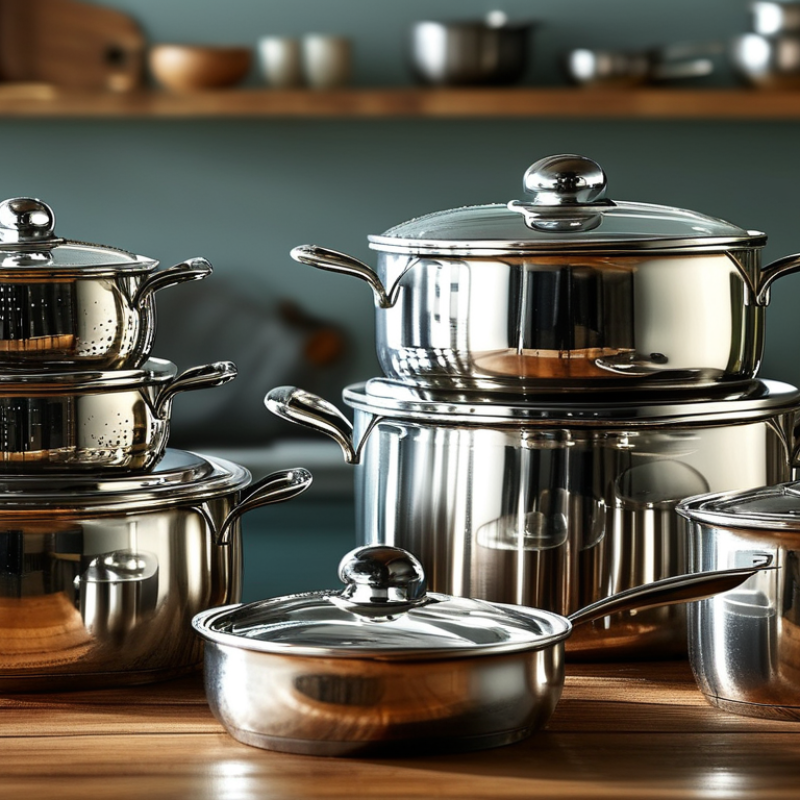
How to Store Stainless Steel Cookware for Longevity?

Factors to Consider for Storing Stainless Steel Cookware

When it comes to storing stainless steel cookware, several factors can impact its longevity. Proper storage methods can prevent scratches and maintain the shiny appearance of your pots and pans. One key consideration is how you stack your cookware. Avoid nesting pots directly inside each other; instead, use protective liners made of cloth or paper. This simple addition can significantly reduce the risk of scratches.

Humidity and temperature are also important. Store your cookware in a cool, dry place. Damp environments can promote rusting, especially if you have pieces with mixed materials. Even though stainless steel is durable, exposure to moisture can be damaging. Regularly check your storage area to ensure it remains dry and well-ventilated.

Lastly, consider accessibility. Organize your cookware by frequency of use. This approach not only keeps your kitchen tidy but also minimizes wear from handling. Remember, over time, even the best-maintained cookware can show signs of use. Embrace these imperfections as part of your cooking journey. Proper storage can help your stainless steel last, but awareness of handling is equally essential.

How to Store Stainless Steel Cookware for Longevity? - Factors to Consider for Storing Stainless Steel Cookware

Storage Factor Description Recommended Practice
Dryness Ensure cookware is completely dry before storage to prevent rust or water spots. Wipe with a dry cloth or air dry thoroughly.
Stacking Avoid stacking pans directly to prevent scratching. Use protective layers like cloth or paper towels between stacked items.
Temperature Store in a stable environment to avoid thermal expansion and contraction. Keep cookware in a cool, dry place away from heat sources.
Humidity Excess humidity can lead to spotting and tarnishing. Store in a well-ventilated area with low humidity levels.
Cleaning Residues from food can cause discoloration and damage. Clean cookware thoroughly before storing, following manufacturer's instructions.

Best Practices for Cleaning Stainless Steel Cookware Before Storage

Stainless steel cookware is known for its durability and longevity. However, proper cleaning before storage is essential. Cleaning isn’t just about removing food residue. It's about maintaining the luster and finish of the cookware.

To begin, make sure your cookware is completely cool before cleaning. Use warm water and a mild detergent to wash it thoroughly. Avoid abrasive cleaners as they can scratch the surface. After washing, rinse well and dry immediately. This prevents water spots and oxidation. Leaving water on the cookware can lead to dullness.

Tips: Use a soft sponge to clean. It’s gentle yet effective. If there are stubborn stains, create a paste with baking soda and water. Apply it, then scrub lightly. Rinsing is crucial here to avoid residue.

Ensure your cookware is completely dry before storing. Moisture can lead to rust or pitting. For additional protection, consider using a cloth to wrap your pots and pans. This helps prevent scratches during storage. Remember, taking these simple steps enhances the longevity of your cookware, but we all sometimes overlook details. Reflect on your cleaning habits to make improvements.

Ideal Storage Locations to Avoid Damage to Cookware

When considering where to store stainless steel cookware, the environment matters. Avoid damp areas like basements. Humidity can lead to corrosion. Instead, choose a dry, cool pantry or cabinet. The temperature should remain stable, free from drastic changes.

It’s essential to consider how you stack your cookware. Lay them flat if possible. Using pot protectors can prevent scratches. Don’t crowd them too tightly. They can get dented. Leave enough space for air circulation to prevent moisture buildup.

Avoid placing stainless steel near heat sources, like stovetops or ovens. Heat can warp the material over time. If your kitchen has limited storage, consider using hanging racks. This keeps cookware accessible and allows for proper air circulation. Reflect on these tips to enhance the longevity of your cookware.

Stainless Steel Cookware Damage Factors

Using Liners and Dividers for Safe Stacking of Cookware

When it comes to storing stainless steel cookware, using liners and dividers can make a significant difference. These protective barriers help prevent scratches and dents on the cookware surfaces. They also allow for better organization, making it easier to access the pots and pans when needed. Simple materials like soft cloths, silicone mats, or even recycled cardboard can serve as effective liners.

Stacking cookware safely ensures its longevity. It’s crucial to separate heavy pots from lighter pans to avoid warping. Sometimes, the ideal stack may not be possible. You might find that your desired arrangement causes frustration when you need to grab a specific piece. In these cases, consider adjusting your storage space. Utilizing drawer dividers can keep everything in check, preventing unwanted clanging.

Regularly reassess your storage technique. Ask yourself if the current method truly protects your items. Are those liners in good shape? Observing how often you use certain pieces can also influence your layout. Making changes to your system can feel cumbersome at times. However, achieving a well-organized space creates a more enjoyable cooking experience.

Regular Maintenance Tips to Enhance Longevity of Stored Cookware

Stainless steel cookware is a kitchen essential. Proper storage ensures long-term usability. Regular maintenance is key to enhancing the longevity of these items. According to the National Association of Culinary Professionals, about 70% of cookware longevity depends on proper care.

Before storing, ensure your cookware is clean and completely dry. Any moisture can lead to rust or corrosion. Use a soft cloth to wipe down the surface. This practice not only prevents stains but also maintains the shine of the cookware. In fact, a study from the American Institute of Food and Wine reveals that maintaining the finish can extend life by up to 30%.

Consider using protective layers when stacking pots and pans. A simple paper towel or cloth between pieces can prevent scratches. Avoid tight spaces, as this can warp the shape. It's important to reflect on common habits that may cause damage. For instance, some may neglect checking for built-up residue. This oversight can lead to long-term issues. Investing a few moments in regular care can lead to years of effective use.

FAQS

: How should I clean my stainless steel cookware before storage?

: Allow the cookware to cool, then wash it with warm water and mild detergent.

Can I use abrasive cleaners on stainless steel?

No, abrasive cleaners can scratch the surface and damage the finish of the cookware.

What should I do to avoid water spots?

Rinse thoroughly and dry immediately to prevent water spots and oxidation.

How can I deal with stubborn stains?

Create a paste with baking soda and water, apply it, and scrub lightly.

Why is it important to keep cookware completely dry?

Moisture can lead to rust or pitting, affecting the cookware's longevity.

Is there a best practice for stacking pots and pans?

Use a protective layer, like a cloth or paper towel, to prevent scratches between pieces.

How does regular maintenance affect cookware lifespan?

Regular maintenance can extend the life of cookware by up to 30%, according to studies.

Should I check for built-up residue?

Yes, neglecting built-up residue can lead to long-term damage and issues.

What is a common mistake when storing cookware?

Storing in tight spaces may warp their shape, which is something to reflect upon.

How can I improve my cleaning habits?

Take time to evaluate your current practices; small changes can enhance cookware care significantly.

Conclusion

When considering how to store stainless steel cookware properly, it's essential to take several factors into account to ensure longevity. Firstly, make sure your cookware is thoroughly cleaned and dried before storage to avoid moisture-related issues. Choosing the ideal storage location is also crucial; avoid areas that are prone to extreme temperature changes or humidity.

To maximize space and protect your cookware, using liners and dividers can help prevent scratches and damage during stacking. Regular maintenance, such as checking for dents or corrosion, is vital to keep stored cookware in top condition. By following these best practices, you can maintain the quality of your stainless steel cookware and ensure it remains a reliable kitchen companion for years to come.

Ethan

Ethan

Ethan is a seasoned marketing professional with a deep expertise in our company's innovative product line. With a passion for sharing knowledge and insights, he takes the lead in regularly updating our corporate blog, where he explores industry trends, product features, and effective marketing......