Cooking eggs can be a simple pleasure, yet it often turns into a frustrating ordeal when they stick to stainless steel pans. Learning how to cook eggs without sticking in stainless steel pans is essential for both novice cooks and seasoned chefs. The shiny surface of stainless steel offers even heating and durability, but it requires specific techniques to prevent that dreaded sticking.
Many home cooks struggle with the perfect egg flip. They try various temperatures and oils, but results can be inconsistent. It’s frustrating to see a beautiful omelet torn apart. There's a learning curve to mastering this skill. Understanding the fundamentals of heat control and proper oil usage can make all the difference.
This guide provides practical tips based on expert advice and kitchen experiments. You’ll discover reliable methods to ensure your eggs slide right out of the pan. From choosing the right pan to timing your cooking, every detail is important. Cooking should be enjoyable, not an exercise in futility. Let’s explore how to make egg sticking a thing of the past.
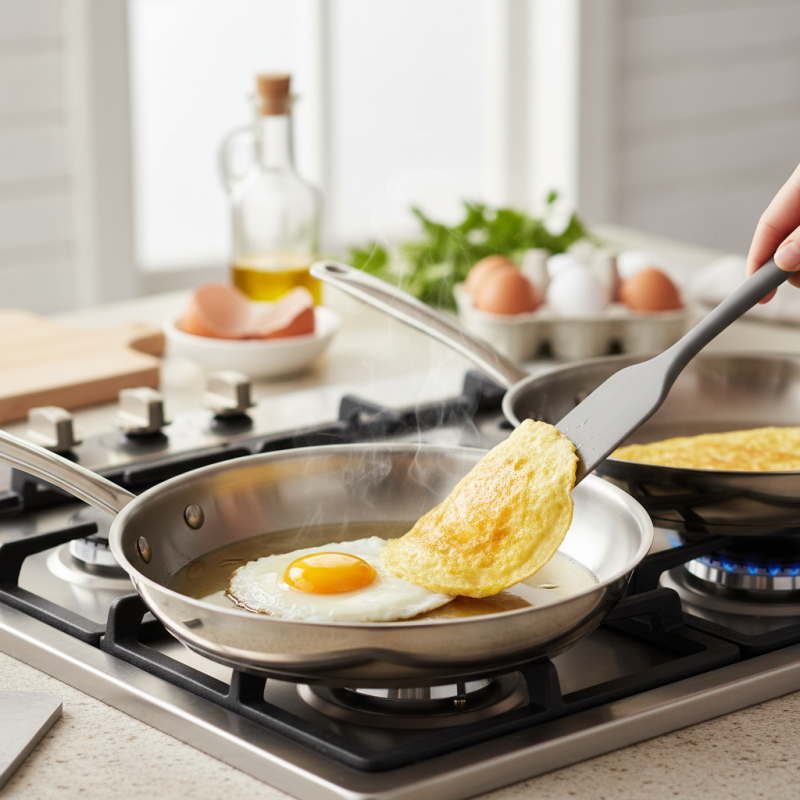
Choosing the right stainless steel pan is crucial for cooking eggs without sticking. A high-quality stainless steel pan should be thick enough to distribute heat evenly. According to industry reports, pans with a minimum thickness of 3mm provide better heat distribution, reducing the chances of sticking.
Look for a pan with a well-designed non-warpage base. This ensures that the surface remains flat when heated, which is essential for egg cooking. Research indicates that pans with an encapsulated aluminum core provide optimal heat conduction. This can significantly affect how eggs cook. If the pan is too thin, you're likely to end up with unevenly cooked eggs.
Another factor to consider is the surface finish. A brushed or polished surface can impact stickiness. Reports suggest that brushed stainless steel finishes may promote better food release. Some cooks even recommend preheating the pan before adding any fat or eggs. This can create a temporary non-stick effect. However, achieving the perfect temperature can take practice. It's often a process of trial and error to find the sweet spot for your specific pan.
| Tip Number | Tip Description | Why It Works |
|---|---|---|
| 1 | Preheat the Pan | Warming the pan helps create a non-stick effect. |
| 2 | Use Sufficient Oil | Oil creates a barrier between the egg and the metal surface. |
| 3 | Control the Heat | Medium heat prevents eggs from cooking too quickly and sticking. |
| 4 | Use Fresh Eggs | Fresh eggs are less likely to stick than older ones. |
| 5 | Don't Overcrowd the Pan | Gives enough space for even cooking and prevents sticking. |
| 6 | Let Eggs Sit Before Flipping | Allowing eggs to set helps them release easier from the pan. |
| 7 | Use a Non-Stick Spatula | Soft spatulas minimize the risk of breaking the eggs. |
| 8 | Experiment with Water | A splash of water creates steam for fluffy eggs without sticking. |
| 9 | Use the Right Type of Stainless Steel | Quality pans provide better heat distribution and less sticking. |
| 10 | Clean the Pan Properly | Residue can cause sticking; always ensure the pans are well cleaned. |
: Thickness is crucial. A minimum of 3mm reduces sticking and improves heat distribution.
A non-warpage base is ideal. It keeps the surface flat, which is essential for even cooking.
A brushed finish may promote better food release. It can make cooking eggs easier.
About one tablespoon of oil or butter per egg helps reduce sticking significantly.
An ideal range is 300°F to 350°F. This creates a non-stick effect for cooking.
Adding eggs at the right moment prevents sticking. Observing the oil’s shimmer is a good indicator.
Different fats have unique smoke points and flavors. Experimenting can lead to tasty surprises or disappointments.
Achieving perfect eggs often involves trial and error. Each pan and technique may vary, requiring adjustments.
Gently lifting the edges allows you to check for doneness. It helps promote even cooking.
Inconsistent heat distribution can lead to sticking issues. Experimentation is key to finding solutions.
Cooking eggs without sticking in stainless steel pans can be a challenge, but following a few key tips can help. First, choosing the right stainless steel pan is crucial, as some pans have better heat distribution than others. Preheating the pan properly before adding oil or butter is essential for creating a non-stick surface. Additionally, using the right amount of fat can greatly influence the outcome; too little may lead to sticking, while too much can result in greasy eggs.
Understanding the temperature of your eggs before cooking is another important factor, as room-temperature eggs tend to cook more evenly. Finally, mastering cooking techniques and timing will ensure that your eggs are perfectly cooked and easy to release from the pan. By incorporating these strategies, you'll learn how to cook eggs without sticking in stainless steel pans effectively.

 Irmos Homes