Stainless steel cookware looks durable, polished, and dependable in a busy kitchen. However, not every stainless steel pan works on an induction stove. Induction cooking requires a magnetic base that can react with the cooktop’s electromagnetic field. A simple magnet test can reveal compatibility within seconds. If the magnet clings firmly to the underside, the pan may work. Still, the manufacturer’s instructions remain the more reliable source.
This guide explains how to use stainless steel cookware on induction stove surfaces with confidence and care. It covers pan selection, heat settings, cooking techniques, and common mistakes. A flat, heavy base usually transfers heat more evenly. A warped pan may heat unevenly or fail to connect properly. Keep the cookware centered on the cooking zone. Start with medium heat, not maximum power. Stainless steel responds quickly on induction, especially when the pan is empty.
Real kitchen experience also reveals small surprises. Water may boil faster than expected. Oil can become too hot before ingredients enter the pan. Preheating for one or two minutes often works better than guessing. Yet this approach is not perfect for every recipe or pan. Some cookware has a magnetic base that feels weak but still functions adequately. Other pans pass the magnet test but perform poorly. Check for hot spots, unusual noises, and error messages during use. Clean the cooktop and pan base regularly. Even a thin layer of residue can affect contact. With careful observation, stainless steel can become precise, efficient cookware for induction cooking.
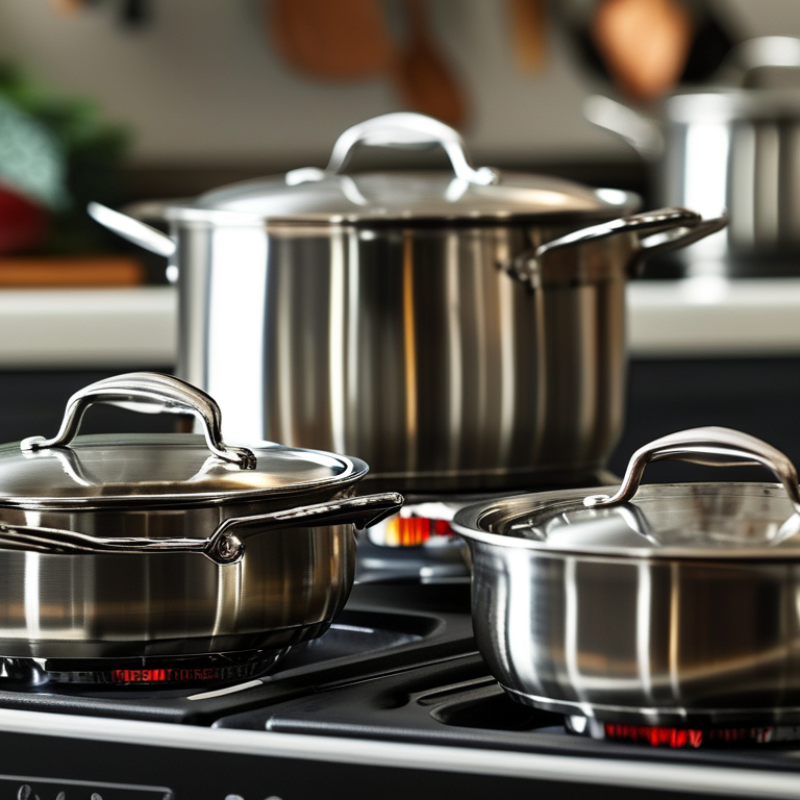
Check Whether Your Stainless Steel Cookware Is Induction Compatible
Before using stainless steel cookware on an induction stove, check its base carefully. Stainless steel does not automatically mean induction compatible. Induction cooking requires a magnetic, ferrous layer beneath the pan.
Try a simple magnet test. Place a magnet against the outside bottom, not the cooking surface. A strong, steady attraction usually indicates compatibility. If the magnet sticks only around the edge, the pan may heat unevenly. If it barely attracts, choose another pan. Check the cookware’s instructions or induction symbol as well. A magnet test is useful, but it is not perfect.
I once assumed every stainless steel saucepan would work. That assumption was wrong. The pan looked suitable, yet the stove detected nothing. A flat, undamaged base matters too. Warped cookware can lose contact with the glass surface and produce weak or inconsistent heating. Put the pan in the center, add food or liquid, and begin with moderate power. Do not preheat an empty pan for long, because stainless steel can heat quickly and develop discoloration. Listen for unusual buzzing, then adjust the setting. If the pan moves easily or heats in patches, stop and reassess. Compatibility should be confirmed before regular cooking, not after a disappointing meal.
How to Use Stainless Steel Cookware on an Induction Stove?
Check whether your stainless steel cookware is induction compatible by testing its base with a magnet. Induction-compatible cookware must contain a magnetic, ferromagnetic layer.
How to read the chart: A value of 1 means the material is normally attracted to a magnet and can work on an induction stove. A value of 0 means it is generally not magnetic and will not heat directly by induction. Stainless steel performance depends on its grade and construction, so always test the actual cookware base.
Understand How Induction Heating Works with Stainless Steel
How to Use Stainless Steel Cookware on an Induction Stove?
Induction cooking uses a magnetic field beneath the glass surface. This field creates electrical currents inside compatible cookware. The pan’s metal resistance then produces heat directly in its base. The stovetop stays comparatively cooler because it does not heat the pan through a flame or glowing element.
Stainless steel is not always induction-compatible. Its performance depends on the metal composition and base structure. Many stainless steel pans include a magnetic layer beneath the cooking surface. Hold a small magnet against the underside to check it. If the magnet grips firmly, the pan will usually work. A weak attraction may cause slow or uneven heating. The base should also be flat and fully contact the cooking zone.
I once assumed every stainless steel pan would work on induction. That assumption was wrong. A lightweight pan heated poorly, even though its surface looked suitable. The thicker pan performed better and responded more steadily to temperature changes. Place the cookware centrally, then begin with medium power. Induction heats quickly, so high settings can scorch oil or food before you react. Lift the pan instead of sliding it across the glass. I still sometimes forget this when cooking quickly. Check the manufacturer’s compatibility information when the magnet test feels uncertain. Warped bases, loose layers, and damaged surfaces can reduce contact and cooking control.
Position the Cookware Correctly on the Induction Cooking Zone
How to Use Stainless Steel Cookware on an Induction Stove?
Position the stainless steel pan at the center of the marked induction cooking zone.
Keep it flat. The base should cover most of the zone without extending far beyond its edge. This alignment helps the electromagnetic field transfer energy more evenly.
The U.S. Department of Energy reports that induction cooking can transfer about 85% of its energy to cookware, compared with roughly 32% for gas cooking.
Correct positioning helps preserve that advantage.
Before cooking, check that the pan base is magnetic.
A small magnet should cling firmly to it. Some stainless steel looks suitable but contains too little magnetic material. Wipe the base and glass surface dry. Grit beneath the pan may cause movement or scratches. Keep the handle turned away from nearby burners and avoid placing another pan partly inside the same zone.
I used to place large pans slightly off-center, assuming the whole base would heat equally.
It did not. The center became hot first, while the outer area lagged. That unevenness affected browning and encouraged unnecessary stirring.
Move the pan only after lowering the power.
Sliding it while full can disturb the zone sensor. The International Electrotechnical Commission’s household cooking appliance standards emphasize controlled heating performance and safe cookware interaction, but real kitchens remain less perfect than laboratory tests.
Check the food, not only the display.
Adjust Heat Settings for Safe and Efficient Cooking
Stainless steel cookware works on an induction stove when its base attracts a magnet. Test the underside before cooking. Use a flat, heavy-bottomed pan for even contact. Wipe the base and glass surface dry. Start with low or medium heat, not maximum power. Induction reacts quickly, so a high setting can scorch oil within seconds. The U.S. Department of Energy’s Energy Saver guidance reports that induction transfers about 85% of its energy to cookware. That efficiency makes heat adjustment especially important. I still overshoot sometimes.
For sautéing, preheat at medium power for one minute. Add a few drops of oil and watch for a smooth shimmer. Lower the setting once food enters the pan. For simmering, bring liquid to a boil at medium-high power, then reduce to low. A gentle bubble is enough. Do not chase a rolling boil. Keep the pan centered, and lift it instead of sliding it across the glass. Avoid heating an empty stainless steel pan for long periods. Its base can discolor or warp. The National Fire Protection Association’s Home Cooking Fires report identifies unattended cooking as the leading contributing factor in home cooking fires. Stay nearby, especially when using oil. If food browns too quickly, remove the pan briefly and lower the setting before returning it. That small pause is easy to forget.
Clean and Maintain Stainless Steel Cookware After Use
How to Use Stainless Steel Cookware on an Induction Stove?
Stainless steel cookware works well on induction when its base contains magnetic metal. Check the base with a magnet before cooking. A firm attraction usually indicates compatibility, but cookware instructions remain more reliable. Use medium heat because induction responds quickly. High heat can discolor the surface and create stubborn food residue.
Clean the pan after it cools slightly. Do not pour cold water into a very hot pan. Thermal shock may warp the base. Remove loose food with warm water, then wash with mild dish soap and a soft sponge. For burnt areas, soak the pan for 15 minutes. A paste of baking soda and water can loosen remaining marks. Rinse thoroughly and dry immediately to prevent water spots. I sometimes leave a pan air-drying, and those cloudy spots remind me to slow down.
Tips: Wipe salt, tomato sauce, and acidic spills soon after cooking. They can stain stainless steel when left overnight. For mineral marks, use diluted white vinegar briefly, then rinse well. Avoid steel wool, chlorine cleaners, and abrasive powders. They may scratch or dull the finish. Clean the induction surface separately with a damp microfiber cloth. Keep the base dry before placing the cookware back. Check the manufacturer’s care guidance before using a dishwasher.
Conclusion
Learning how to use stainless steel cookware on induction stove begins with checking whether the cookware has a magnetic base. Stainless steel alone is not always induction-compatible, so place a magnet on the bottom to test it. Induction heating works by creating a magnetic field that directly heats suitable cookware, making the pan warm quickly and efficiently. Once compatibility is confirmed, center the cookware carefully on the cooking zone so the heat is distributed evenly and the stove can detect the pan properly.
Start with a low or medium heat setting, then adjust gradually according to the recipe. Avoid overheating an empty pan, as this may cause discoloration or damage. After cooking, allow the cookware to cool before washing it with warm water and mild detergent. Remove stubborn residue by soaking rather than using harsh abrasives, and dry the surface thoroughly to prevent water spots. Regular, gentle care helps stainless steel cookware remain clean, durable, and effective on an induction stove.

 Irmos Homes