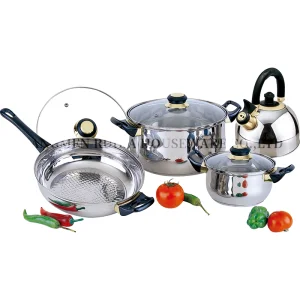
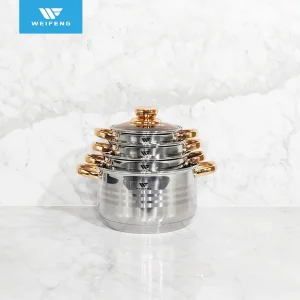
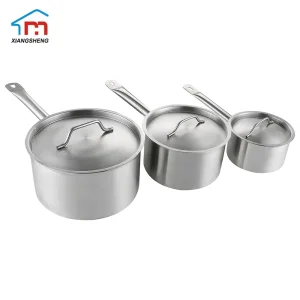
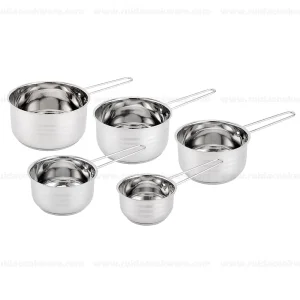
Explore our elite range of high-performance cookware, roasting utilities, and culinary tools manufactured under strict international quality standards.
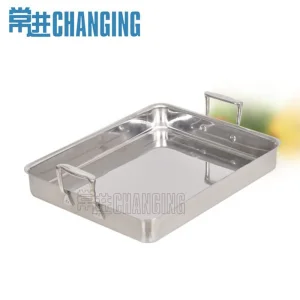
A deep dive into metallurgical integrity, precision stamping technology, and compliance paradigms driving the next generation of food-contact preparation equipment.
The global culinary utensils sector is undergoing a profound paradigm shift. As consumer dining habits evolve and commercial food preparation requires heightened efficiency, the demand for precision instruments—such as stainless steel egg slicers, multi-ply cookware, and heavy-duty gastronorm vessels—has surged. Historically viewed as basic utility items, contemporary food-slicing devices and culinary pans are now engineered to meet exacting mechanical tolerances and strict biochemical standards.
In this context, China has solidified its position as the preeminent manufacturing hub for high-grade stainless steel kitchenware. As a leading exporter, our facility in Foshan combines raw material control, state-of-the-art wire tensioning technologies, and progressive die-stamping to deliver tools that exhibit superior tensile strength, structural durability, and absolute food safety compliance. Through detailed semantic alignment and strict adherence to international safety metrics, this white paper outlines the industrial, technological, and structural frameworks defining premium stainless steel production today.
The commercial market for kitchenware is stratified into two primary segments: domestic consumer-grade goods and professional-grade culinary systems. For tools like egg slicers, the industrial requirement centers around the mechanical alignment of cutting elements. Professional catering companies, high-throughput salad processing units, and luxury hospitality chains require food-contact equipment capable of repetitive mechanical stress without structural fatigue.
From an export perspective, North America and Western Europe represent the largest consumer markets by value, driven by rigorous household safety expectations and a preference for long-lasting, BPA-free metal alternatives to plastics. Meanwhile, emerging economies in Southeast Asia and Latin America are exhibiting double-digit compound annual growth rates (CAGR) in import volume, fueled by rapid commercial urbanization and expanding hospitality sectors. To service these diverse markets, top-tier Chinese manufacturers must operate multi-faceted facilities capable of shifting between high-volume standard runs and customized, low-run boutique designs.
Modern product cycles are increasingly dictated by material science and environmental regulations. The transition from Grade 201 stainless steel to premium Austenitic Grade 304 (18/8) and Grade 316 (18/10) represents a significant leap forward in corrosion prevention. Under high humidity, salt-laden commercial kitchen conditions, or exposure to acidic foodstuffs (such as tomatoes and citrus juices), lesser steel alloys suffer from localized pitting corrosion. Premium manufacturers now mandate chemical composition testing via optical emission spectrometers to guarantee the chromium-to-nickel ratios of every raw batch.
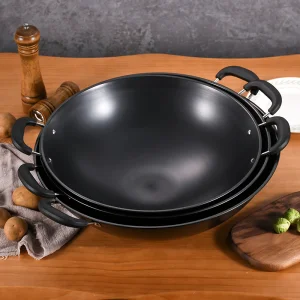
Simultaneously, manufacturing automation has rewritten operational cost structures. Computer Numerical Control (CNC) wire bending, automatic hydraulic deep drawing, and robotic double-sided laser welding ensure that items like woks, stock pots, and custom-tension egg slicer wires maintain a level of dimensional stability that is physically impossible to achieve via manual assembly. This automated precision minimizes structural deviations, leading to a direct decrease in return rates and customer complaints for global distributors.
How Foshan Irmos Homes bridges advanced metallurgy with futuristic, high-durability kitchenware applications.
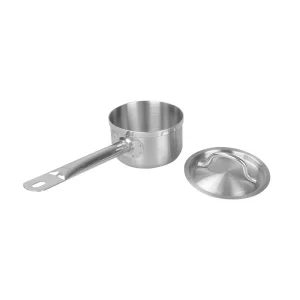
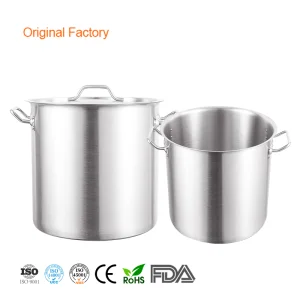
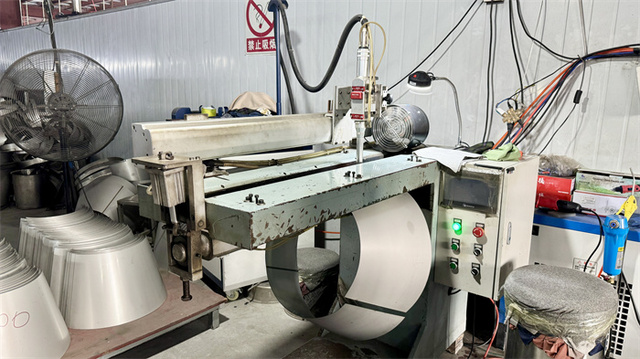
We leverage advanced gas tungsten arc welding (GTAW) combined with plasma-arc stabilization to produce seamless joins on heavy-duty stock pots and multi-ply frypans. This guarantees zero micro-crevice formation, eliminating potential bacterial harboring points and ensuring absolute compliance with NSF international sanitation standards.
Our egg slicers utilize high-tensile food-grade SUS304 wire, precision-tensioned to 280-320 Newtons using customized hydraulic tensioners. This prevents wire deflection during operation, guaranteeing uniform slices throughout the operational lifespan of the unit, even when slicing dense ingredients like mushrooms or cheeses.
We have integrated dry-lubricant press lines to reduce chemical waste during the deep-drawing process. Additionally, advanced gas-nitriding processes are applied to selected woks and pans to yield anti-rust, ultra-hard, non-stick surfaces without utilizing harmful fluorocarbon (PFOA/PFAS) coatings.
Foshan Irmos Homes Co., Ltd. integrates raw design competence with global compliance frameworks.
Based in the global hardware manufacturing capital of Foshan, Guangdong, Foshan Irmos Homes Co., Ltd. stands as a benchmark of modern industrial manufacturing. Our facility integrates professional product design, rapid tooling development, automated pressing, precise welding, and rigorous QC testing. We supply diverse export markets including North America, Europe, and the Middle East, offering comprehensive OEM and ODM support tailored to high-volume commercial chains, B2B wholesale buyers, and boutique culinary brands.
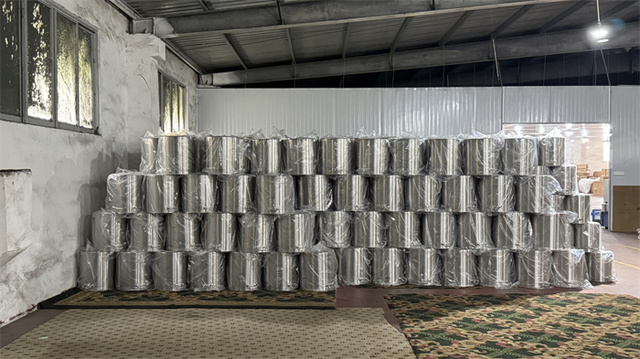
Our quality management system is certified to ISO 9001:2015, and all food-contact products adhere to FDA, LFGB, and EU standards. By controlling the complete supply chain—from raw steel coil procurement to the final outer packaging drop-tests—we deliver predictable lead times and reliable structural performance.
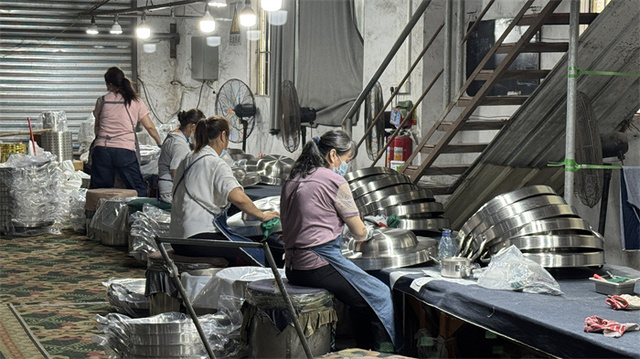
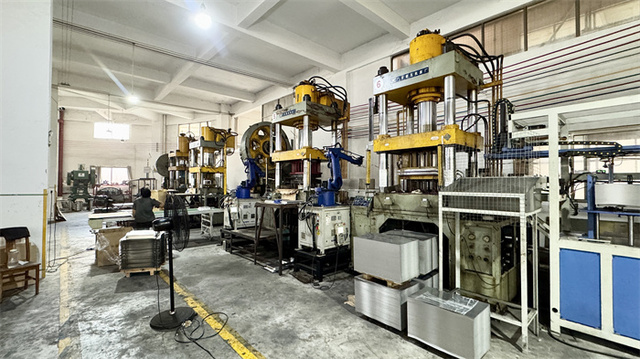
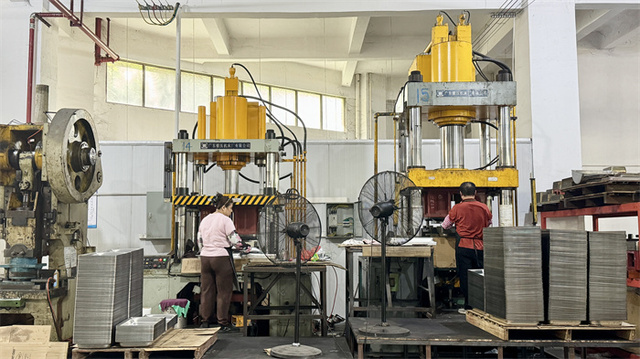
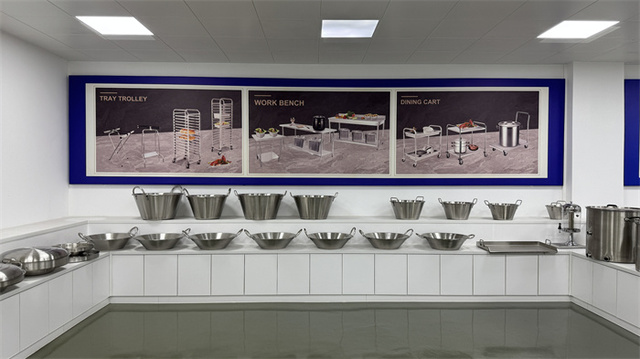
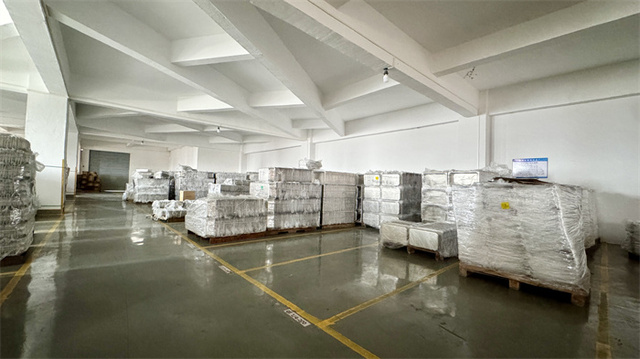
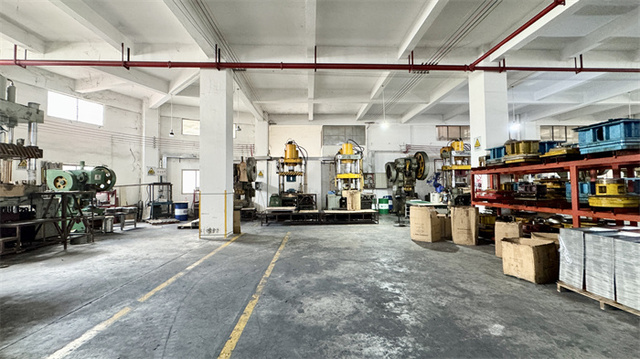
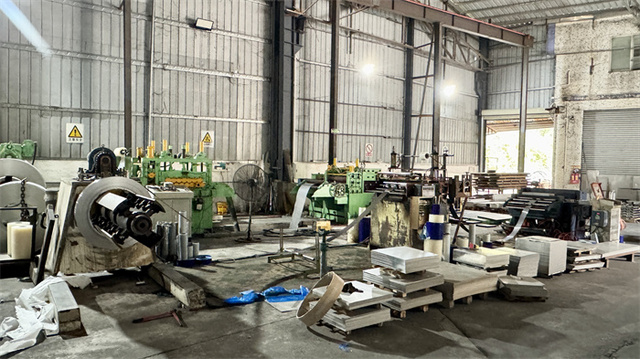
Aligning design cycles, production capacity, and logistical compliance to provide maximum retail efficiency.
From digital 3D CAD modeling and custom product stamping to customized brand packaging and surface finishes (polished, satin, matte, non-stick, or PVD coated), we supply products that are retail-ready and uniquely aligned to your target market.
We carry out continuous quality gates, including chemical composition validation, weld-integrity checks, structural flatness testing, drop-weight analysis, and food-contact extraction tests. No batch leaves our factory without certified verification.
Leveraging Foshan's deep network of raw steel mills and accessory producers, we buffer raw materials strategically to shield our clients from localized price volatility, ensuring reliable production runtimes and predictable bulk shipment dates.
Key information concerning manufacturing standards, material selection, MOQ, and export services for B2B importers.
We primarily use premium Austenitic Food-Grade SUS304 (18/8) stainless steel. This alloy offers exceptional corrosion resistance, excellent structural integrity, and will not leach metallic tastes or harmful chemical compounds into food. For highly corrosive environments or special order requirements, we can also supply SUS316 kitchenware.
Our cutting wires are made from highly-tensioned SUS304 wire with an optimal diameter (generally 0.3mm to 0.4mm). They are hydraulically locked into precision-milled anchors on the frame. This mechanical lock prevents wire slippage and maintains cutting tension over tens of thousands of cycles under commercial use cases.
Our manufacturing lines and products comply with major global safety regulations. We maintain certifications including LFGB (Germany/Europe), FDA food contact substance compliance (USA), and general CE safety guidelines. Third-party testing reports from SGS, TÜV, or Intertek can be provided on request for each production run.
Depending on product complexity and ordering schedule, standard production cycles require 30 to 45 days. Our standard MOQ starts at 1,000 units for stock items and 2,000 units for fully customized OEM/ODM packages. Custom tooling development for completely new shapes may require an additional 25-30 days.
Yes. We support custom laser-marking of corporate logos directly onto the metal surfaces, which is wear-resistant and food-safe. Packaging solutions include CMYK litho-printed gift boxes, Kraft mailer boxes, hangtags, and custom master cartons with integrated UPC/EAN barcodes.
We offer comprehensive shipping support including FOB Shenzhen/Guangzhou, CIF destination port, and DDP shipping depending on your regional logistics capabilities. Our documentation team ensures accurate HS codes, Certificate of Origin paperwork, and packing slips are issued promptly to guarantee swift customs clearance.
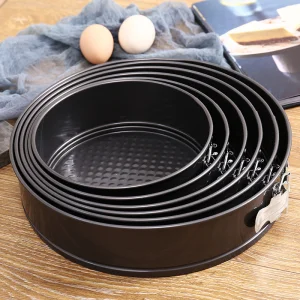
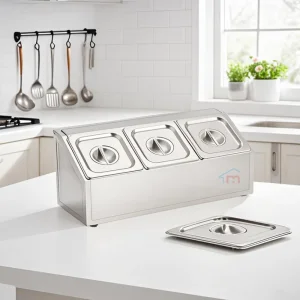
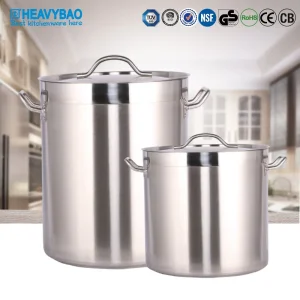
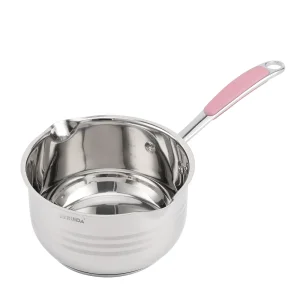
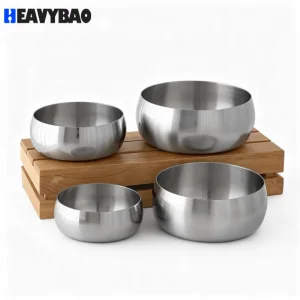
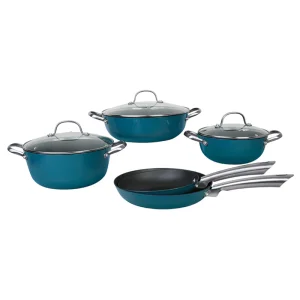
Heavy-duty food preparation pots, professional storage systems, and specialized bakeware engineered for high performance.
 Irmos Homes