Irmos Homes
The Commercial and Retail Cookware Landscape in Rwanda
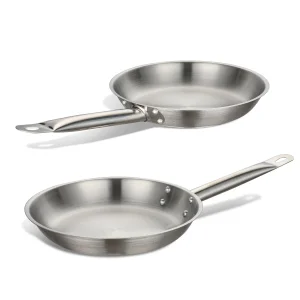
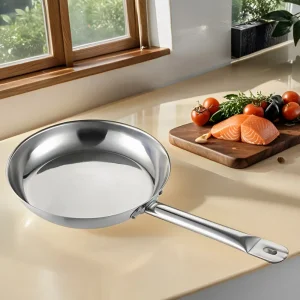
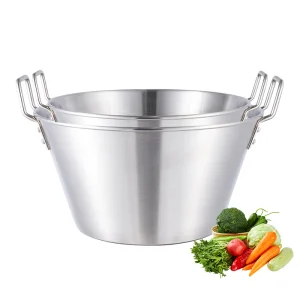
Rwanda's urbanization, particularly within Kigali, Gisenyi, and Musanze, is driving major shifts in the culinary sector. The rapid growth of mid-to-high-end restaurants, boutique hotels, and housing developments has shifted consumer preference from traditional cast iron and low-grade aluminum pots to modern, robust stainless steel frying pans.
This shift is also supported by national environmental and health policies. Rwanda's active move toward clean cooking options, such as Liquid Petroleum Gas (LPG) and energy-efficient induction cooktops, has changed requirements for kitchenware. Classic cookware options often warp or heat unevenly on modern electric induction systems. Standard-clad stainless steel cookware provides the necessary induction capability, preventing structural warping and cutting cooking times in half.
With electricity and LPG prices rising in East Africa, commercial kitchens in Kigali require cookware that retains heat effectively. Tri-ply and encapsulated-base frying pans decrease thermal loss, reducing monthly utility costs for commercial venues.
Technical Specifications: Demystifying Multi-Ply and Encapsulated Technology
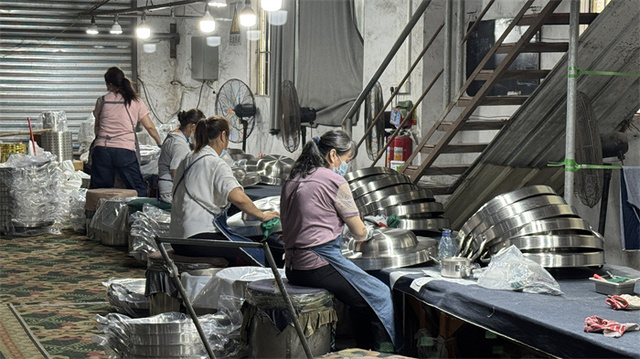
To understand why premium cookware performs consistently in high-volume environments, B2B procurement managers must look at material composition. Low-tier imports often utilize simple single-layer steel, which can lead to localized scorching and hot spots. Our factories specialize in manufacturing high-performance layered configurations:
1. Food-Grade Alloys (SS 304 and SS 316)
The interior cooking surface of our frying pans is built with food-grade SUS 304 (18/10) or SUS 316 stainless steel. These alloys are highly non-reactive, preventing food acids (such as those in traditional Rwandan dishes like Agatogo or fresh tomato bases) from leaching metallic ions into meals. This ensures compliance with global food safety standards and retains pure flavor profiles.
2. Tri-Ply fully Clad Construction
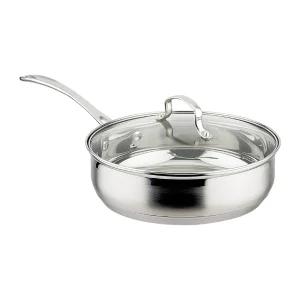
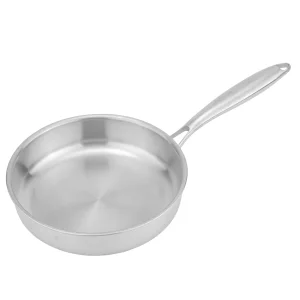
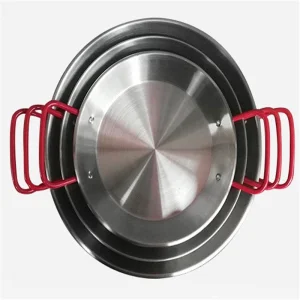
Instead of just applying an induction plate to the bottom of the pan, our tri-ply options sandwich a heavy-gauge aluminum core between two sheets of stainless steel. The heat transfers immediately from the base up through the sides, creating a highly uniform cooking envelope.
3. Impact-Bonded Bases
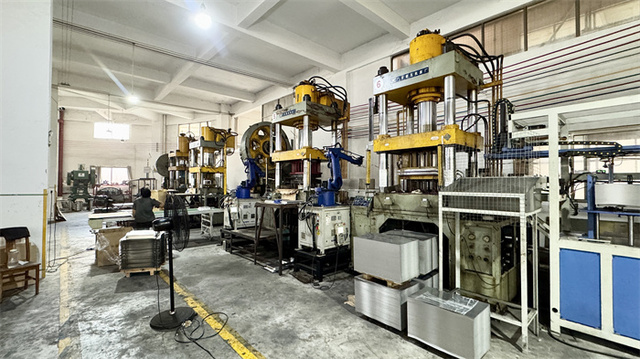
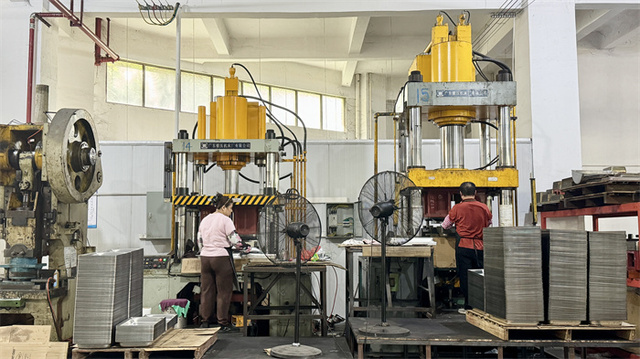
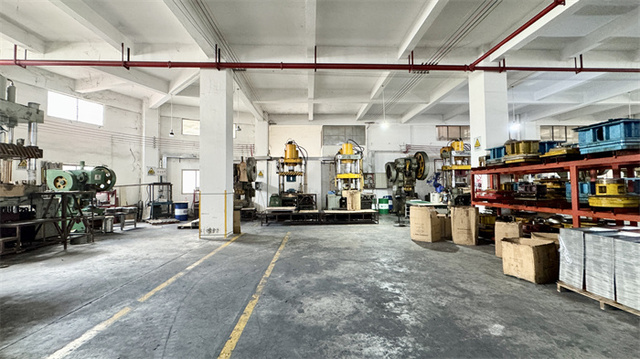
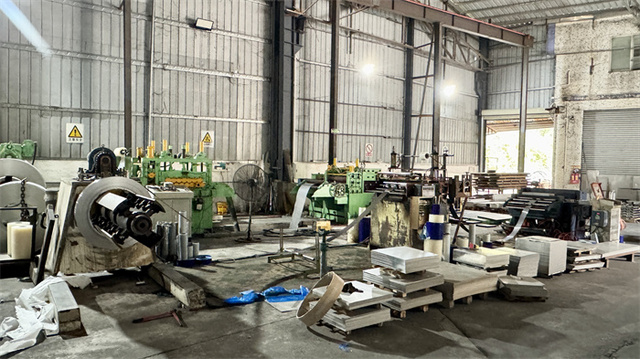
Using high-pressure hydraulic machines, we apply aluminum heat diffusers to the bottom of our pans. This prevents delamination under high thermal stress, a common issue in lower-quality kitchenware.
Induction Compatible
Constructed with magnetic stainless steel (SS 430) outer layers, ensuring seamless operation on commercial induction hobs.
Corrosion Resistant
Withstands exposure to salty water and acidic ingredients without pitting, rust, or degradation over long periods.
Eco-Friendly
100% recyclable metal composites with zero toxic chemical coatings, ensuring green compliance for eco-lodges.
Logistics, Duty Structures, and EAC Compliance for Rwandan Importers
Importing kitchenware into Rwanda requires navigating East African Community (EAC) trade corridors and regional compliance standards. Importers must work with manufacturers who understand shipping configurations, volumetric packing, and regulatory documentation.
- Standards Board Compliance: Our cookware products comply with Rwanda Standards Board (RSB) regulations and international equivalents (FDA, LFGB, CE). We provide all testing reports upfront to ensure quick customs clearance at the border.
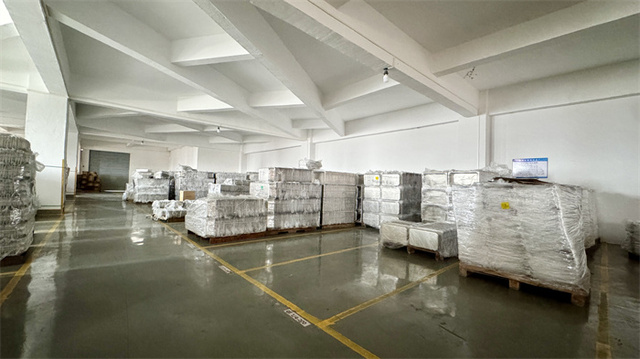
- Optimized Shipping Routes: Shipments leave Foshan Port for the Dar es Salaam Port (Tanzania) or Mombasa Port (Kenya). From there, goods travel via the Central or Northern Corridor directly to Kigali. We pack containers tightly to minimize CBM and protect items from moisture damage.
- EAC Tariff Classifications: Under the EAC Common External Tariff (CET), stainless steel kitchenware falls under specific tariff headings. We structure shipping invoices and export declarations correctly to prevent delays and optimize tax rates.
Technology Roadmap: The Future of Culinary Engineering
Foshan Irmos Homes continues to innovate in metallurgical designs. Our engineering roadmap focuses on three main developments:
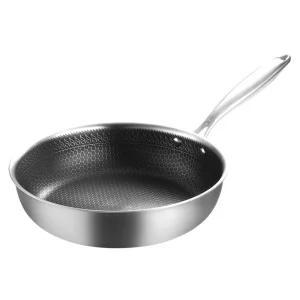
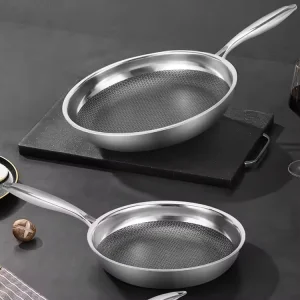
- Laser-Etched Honeycomb Hybrid Surfaces: By combining the durability of stainless steel with the easy release of non-stick coatings, our honeycomb designs protect the non-stick surface from metal utensils. This extends the working life of the pan up to three times.
- Ultra-Lightweight Tri-Ply Alloys: We are refining our material ratios to offer the thermal distribution of 3-ply structures at a lighter weight, reducing fatigue for chefs working long shifts.
- Induction Energy Coupling: Working with electric stove developers, we are adjusting the magnetic response of our bases to maximize energy transfer, further reducing utility costs.