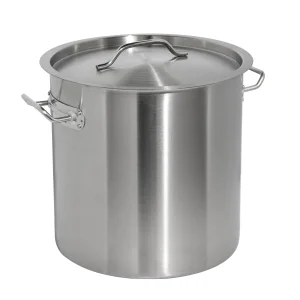
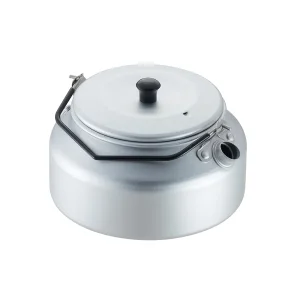
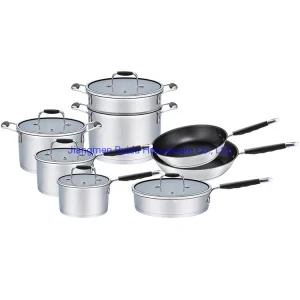
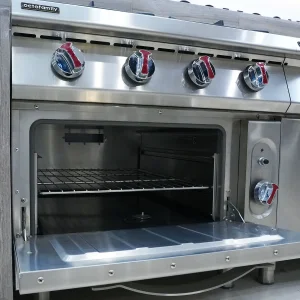
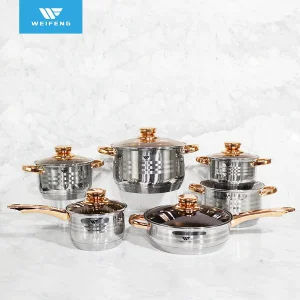
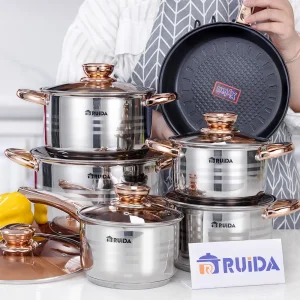
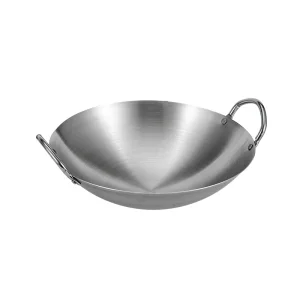
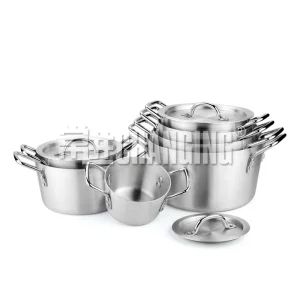
Explore our top-tier stainless steel cooking pots, commercial pans, and food prep products certified for international markets.
From raw metal deep-drawing to micro-polished finishing, we engineer culinary utensils that comply with global sanitation standards.
Based in the manufacturing hub of Foshan, China, Foshan Irmos Homes Co., Ltd. is a premier manufacturer specializing in the custom design, OEM/ODM production, and worldwide export of professional stainless steel cookware. With vertical supply chains and deep-drawing precision, we assist global brands, high-volume distributors, and commercial kitchen suppliers in sourcing dependable kitchen tools.
Our stainless steel ladles are developed using food-grade materials (SS304/SS316), engineered to resist oxidation and pitting caused by high-acid commercial food preparations. From ergonomic handles designed to disperse heat to weld-free structures preventing bacterial accumulation, our designs adhere to strict foodservice safety metrics.
We work in accordance with major regulatory standards including FDA, LFGB, NSF, and ETL approvals. Our flexible OEM/ODM customization services include adjustments to material thickness, surface brushing, custom logo branding, and customized heavy-duty shipping packages to optimize international logistics.
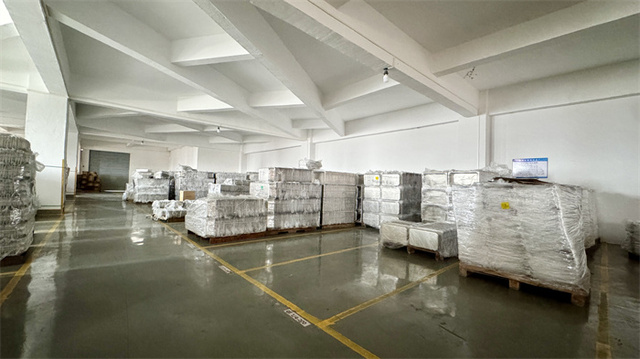
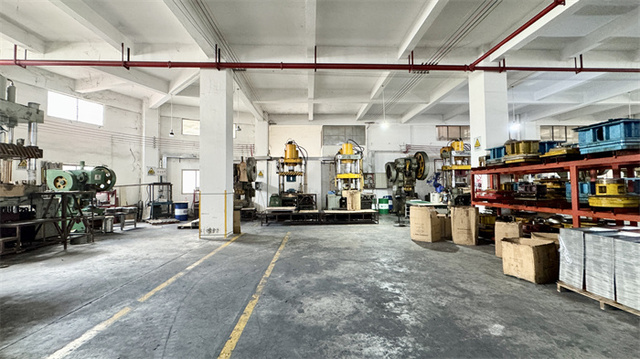
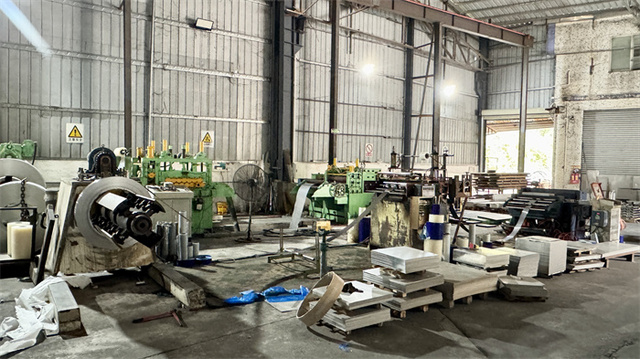
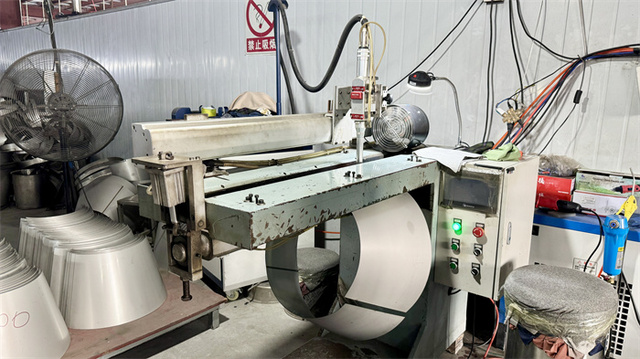
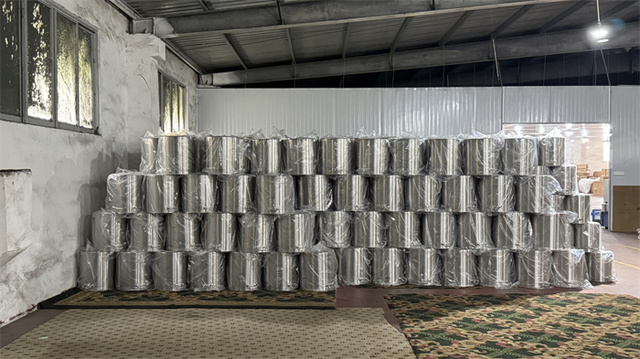
How localization in the world's most dense metalwork cluster delivers cost, quality, and time-to-market advantages for global importers.
Foshan's location provides immediate access to major steel foundries, ensuring reliable procurement of raw materials. We utilize certified AISI 304 (18/8 or 18/10) and AISI 316 stainless steel, preventing reliance on lower-grade alloys that are prone to rusting under high moisture environments.
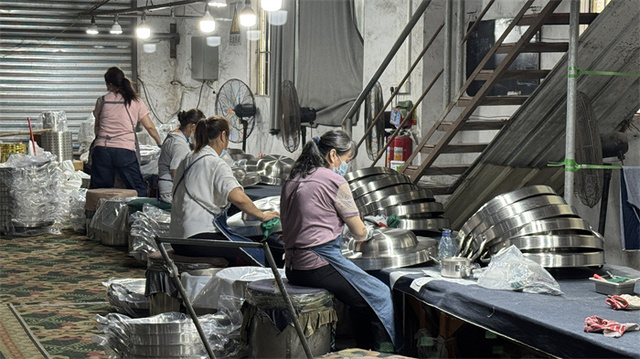
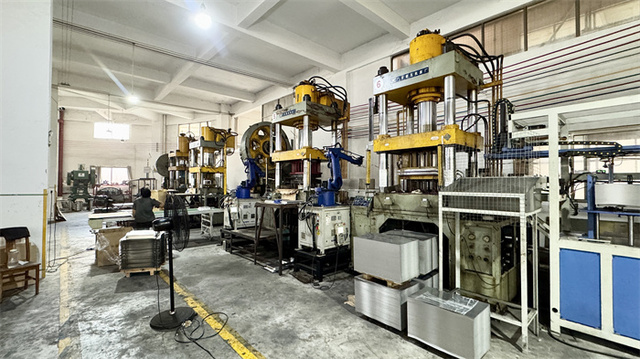
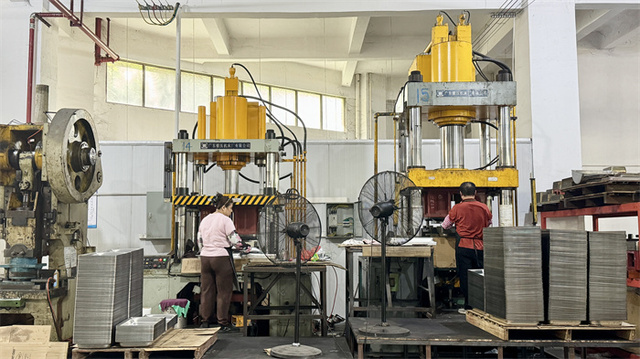
Our production facilities utilize automated stamping, progressive deep-drawing presses, and robotic grinding setups. Automation reduces human error in handle-to-bowl welding, creating consistent structural strength across large product batches.
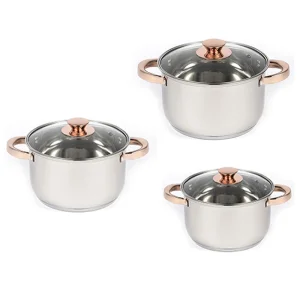
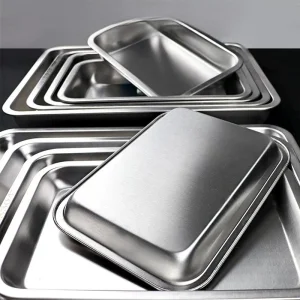
With closeness to the major shipping ports of Guangzhou, Shenzhen, and Nansha, we reduce land freight costs. This infrastructure supports flexible consolidation, allowing buyers to ship ladles, pots, pans, and commercial steam tables in shared container shipments.
Navigating cross-border customs regulations and safety certification processes is central to our manufacturing process.
All raw stainless steel undergoes spectral analysis to verify chromium, nickel, and carbon ratios. This prevents heavy metal migration under acidic food contact conditions, fulfilling European LFGB and US FDA regulations.
Commercial ladles feature sanitary designs to prevent food accumulation. We produce single-piece stamped designs and sanitary-welded alternatives that contain no open seams, matching NSF hygiene protocols.
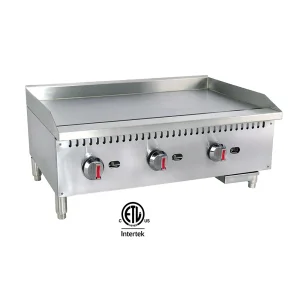
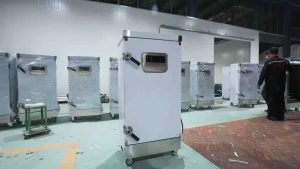
For operations combining light utensils with heavy cooking equipment, our facility produces ETL-certified appliances (like commercial griddles and steamers), ensuring all electrical and mechanical systems comply with North American safety codes.
From digital conceptualization to tooling fabrication, we translate product ideas into high-volume manufacturing output.
We construct molds in-house using CNC machining centers. This allows us to adjust ladle capacities (e.g., color-coded portion control ladles ranging from 1 oz to 12 oz) and handle configurations based on brand requirements.
We offer satin interior finishes to conceal scratch marks, high-gloss mirror polishes for consumer retail markets, and PVD titanium coatings for premium, wear-resistant options.
Our packaging solutions include retail display boxes, color cards, and dense bulk cartons engineered to pass standard drop tests, ensuring protection during maritime transit and warehousing.
How different foodservice sectors configure ladle specifications based on localized operational requirements.
In high-pace environments, operations utilize portion-control ladles. Accurate capacities (e.g., 2 oz, 4 oz, 6 oz, 8 oz) prevent ingredient waste and maintain flavor profiles across franchise locations.
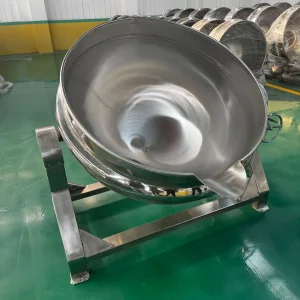
Centralized preparation centers require long-handled, heavy-duty ladles (up to 40 inches). These utensils are reinforced at stress joints to allow operators to stir and dispense high-density food products from large, high-capacity steam jacketed kettles.
Consumer brands require stylish designs with ergonomic handles. These products feature silicone heat guards, modern polished finishes, and packaging designs optimized for online fulfillment networks.
Stay informed on material shifts, manufacturing automation, and sustainability requirements impacting global importers.
Global buyers are requesting chemical composition documentation. Utilizing verified, traceable scrap materials that are processed under low-carbon conditions assists importers in meeting Scope 3 ESG compliance targets.
One-piece, stamped monobloc ladles are becoming standard in industrial kitchens. Without welds, rivets, or seams, these utensils eliminate joints that can harbor pathogens, facilitating cleaning and sanitization processes.
Handles featuring angled grips, finger-rest notches, and thermal breaks reduce muscle strain on kitchen staff during extended service shifts, supporting workplace safety efforts.
Clear answers addressing tooling costs, material quality, production lead times, and customs management.
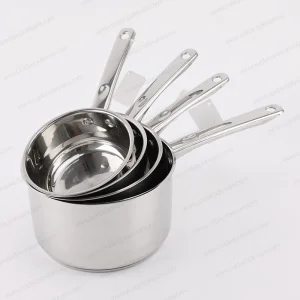
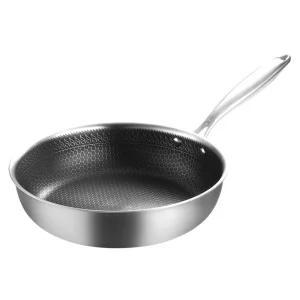
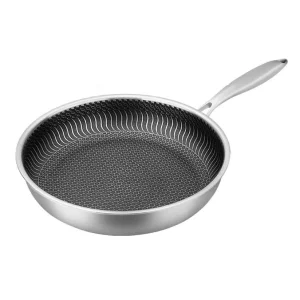
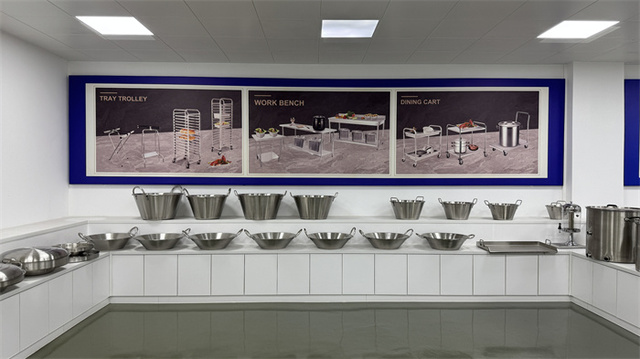
From single-handle saucepans to outdoor kitchenware sets, review our specialized line of professional tools.
 Irmos Homes